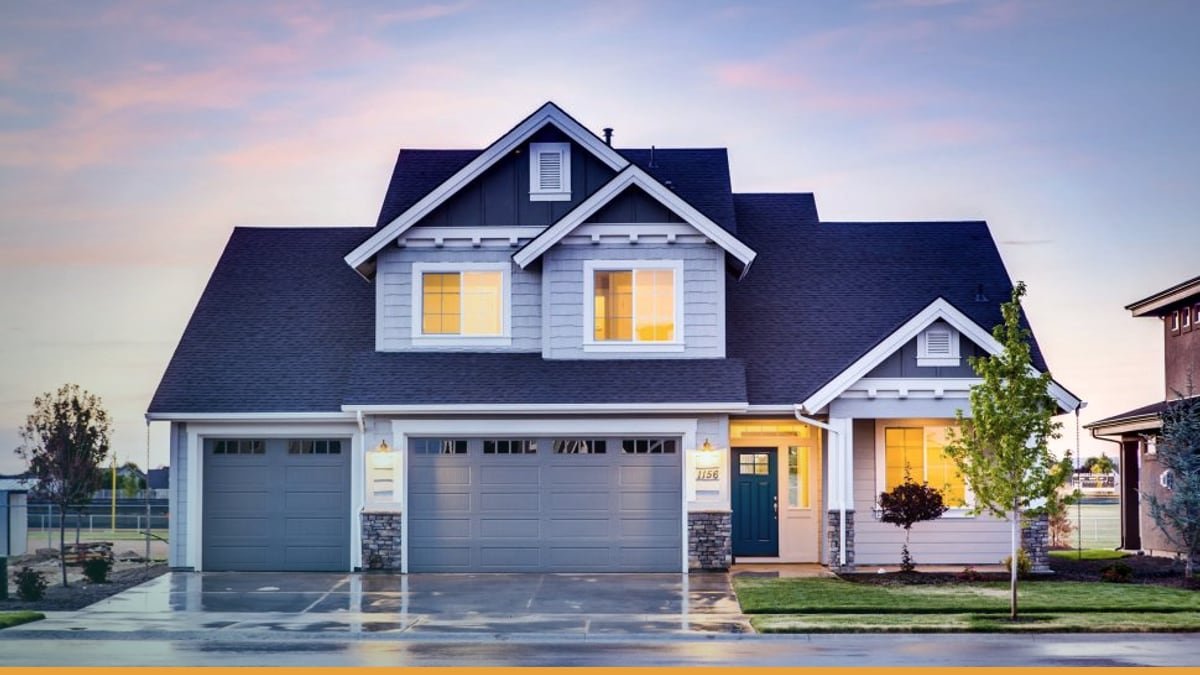
Header image source: How to Build a Home in Texas – The Architects Diary via The Architects Diary via Google — cropped to 16:9 and colour-adjusted.
Key takeaways
- Home blends physical space, psychological sanctuary, and personal sovereignty
- Home functions as a mental category separating ‘here’ from ‘not-home’
- Home is where authenticity flourishes and memories accumulate
A home is not just four walls and a roof. It’s where you organise your mind, assert sovereignty, build relationships, and store your past—all at once. The evidence is clear: home blends ownership, safety, and self-expression into something far more complex than shelter. The dictionary defines it as "one’s place of residence or domicile. " A legal definition describes it as "a space used as a permanent or semi-permanent residence. " But the real definition? That’s written in how we live, how we feel, and what we refuse to let go.
The Direct Answer: What the Evidence Actually Says
The dictionary definition is clinical: "one’s place of residence or domicile. " That’s the baseline. A home is a place—a structure, an address, a legal entity. But the evidence doesn’t stop there. Wikipedia expands it: "a space used as a permanent or semi-permanent residence for human occupants and sometimes companion animals. " Already, it’s stretching. It’s not just about humans. It’s about the creatures we choose to share our lives with. My dog doesn’t care about property deeds, but he knows which couch is his. That couch is part of what makes this place home.
Then there’s the psychological layer. The Smithsonian calls home "a way of organising space in our minds, distinguishing between home and not-home. " That’s the critical shift. Home isn’t just a location—it’s a category. It’s the mental folder where we file everything that feels like ours, whether that’s a childhood bedroom, a rented apartment, or the backseat of a car during a cross-country move. The brain doesn’t just recognise home; it categorises it, separating it from the rest of the world.
The emotional definitions are where things get messy. Habitat for Humanity says home is "a safe haven and comfort zone where people live with families, pets, and enjoy time with friends. " That’s not just about shelter. It’s about belonging. Stories of Our Lives pushes it further: home is "wherever you feel accepted and can be your authentic self. " Another quote from the same source calls it "a little slice of the world that belongs to you personally. " That’s sovereignty. That’s agency. You don’t just live in a home—you claim it. You shape it. You defend it.
So what’s the synthesis? A home is both a physical location and a psychological state. It’s the intersection of where you are, who you are, and what you own—whether that ownership is legal, emotional, or just stubborn. The evidence doesn’t let us simplify it. It forces us to hold all these definitions at once.
Home as a Physical Space: The Architecture of Belonging
At its most basic, a home is a structure. Four walls, a roof, a door that locks. Wikipedia’s definition—"a space used as a permanent or semi-permanent residence for human occupants and sometimes companion animals"—covers the functional minimum. But Merriam-Webster’s phrase "a place to call home" adds something crucial: intentionality. A home isn’t just a space you occupy. It’s a space you claim.
That claim starts with the basics. Shelter from the elements. Privacy from the outside world. Control over who enters and who doesn’t. But the evidence expands it. Habitat for Humanity’s framing—"where people live with families, pets, and enjoy time with friends"—positions home as a shared space. It’s not just about the individual. It’s about the network of relationships that unfold within those walls.
The inclusion of companion animals is telling. A home isn’t just a human construct. It’s a multispecies one. My cat doesn’t care about the mortgage, but she knows which windowsill is hers, which blanket she’s allowed to knead, and which human is responsible for opening the treat bag. That shared understanding—between species, between roommates, between partners—is part of what turns a house into a home.
But what about spaces that don’t fit the traditional mould? Nomadic cultures have been calling portable structures "home" for centuries. A yurt, a caravan, a houseboat—they all serve the same function: shelter, privacy, and a claim on a piece of the world. The physical form is flexible. What matters is the intent. You don’t just live there. You call it home.
Home as a Psychological Framework: The Mental Map of "Here" vs. "Not Here"
The Smithsonian’s definition—"a way of organising space in our minds, distinguishing between home and not-home"—hits hardest. Home isn’t just a place. It’s a mental category. The brain doesn’t just recognise home; it files it separately from everything else.
Think about how you navigate the world. You don’t just know where your home is—you know where it isn’t. The office is not-home. The café is not-home. Even a hotel room, no matter how comfortable, is not-home. That distinction isn’t just about physical distance. It’s about psychological boundaries. Home is where the rules are different. Where you don’t have to perform. Where you can leave your shoes in the middle of the floor and your dishes in the sink.
Those boundaries aren’t just physical. They’re social. Who’s allowed in? Who’s not? Who gets a key? Who gets a hug? Home is where the social contract shifts. Strangers become guests. Guests become family. Family becomes yours.
And those boundaries aren’t static. They’re temporal. A childhood home might still feel like home decades later, even if you haven’t lived there in years. A friend’s couch might feel like home after a few weeks of crashing there. A hotel room might never feel like home, no matter how long you stay. The brain adapts—slowly, grudgingly, or not at all.
The neuroscience here is implied but powerful. The brain’s default mode network—the part that activates when you’re daydreaming, reminiscing, or just being—treats home as an anchor. It’s the mental "here" against which everything else is measured. That’s why displacement—whether from war, gentrification, or personal crisis—feels like more than just losing a roof. It’s losing a mental coordinate.
Home as Personal Sovereignty: The Right to Define "Mine"
One of the sharpest definitions comes from Stories of Our Lives: "A little slice of the world that belongs to you personally. " That’s not just about ownership. It’s about agency. A home isn’t just a place you live. It’s a place you control.
That control can take many forms. Legal ownership is the most obvious. A deed, a mortgage, a lease—these are the bureaucratic ways of saying this is mine. But the evidence shows it’s deeper than that. Renters can call a space home just as fiercely as homeowners. The difference isn’t in the paperwork. It’s in the claim.
That claim is cultural. In nomadic societies, home isn’t tied to a fixed location. It’s tied to mobility. A yurt, a tent, an RV—these are homes because they’re controlled, not because they’re permanent. For displaced populations, home might be a memory, an aspiration, or a suitcase. The claim is still there, even if the physical space isn’t.
The legal implications are enormous. Property laws, eviction protections, zoning codes—these aren’t just about real estate. They’re about who gets to call a space home. When those laws fail—when people are displaced, when rent becomes unaffordable, when homes are foreclosed—it’s not just a housing crisis. It’s a crisis of sovereignty.
That’s why homelessness is so devastating. It’s not just the lack of shelter. It’s the loss of agency. The loss of control. The loss of the right to say this is mine.
Home as a Social Hub: Where Relationships Take Root
Habitat for Humanity’s definition—"where people live with families, pets, and enjoy time with friends"—frames home as a node for connection. It’s not just about the individual. It’s about the network of relationships that unfold within those walls.
That network starts with the basics. Family. Roommates. Partners. Pets. These are the people (and creatures) who share your space, your routines, your inside jokes. But home isn’t just about cohabitation. It’s about hosting. Dinner parties. Holidays. Game nights. The act of inviting someone into your home is an act of trust. It’s saying this space is mine, and I’m sharing it with you.
Home is also where caregiving happens. Raising children. Supporting elders. Nursing the sick. These are intimate acts, and they require a space where privacy and vulnerability are protected. That’s why home isn’t just a social hub—it’s a sanctuary.
But home can also be a site of conflict. Arguments. Reconciliations. Silent treatments. The privacy of home allows for both intimacy and friction. That’s why domestic violence is so insidious. Home isn’t just a sanctuary—it’s a cage when the people inside it are dangerous.
The contrast between isolation and belonging is stark. For some, home is the only place they feel seen. For others, it’s the only place they feel trapped. That duality is part of what makes home so complex. It’s not just a space. It’s a social dynamic.
Home as a Vessel for Memory: The Past That Lives in Walls
Habitat for Humanity calls home "a place to build memories and serves as a way to build one’s life. " That’s the cumulative definition. A home isn’t static. It’s alive with the past.
Those memories aren’t just abstract. They’re embedded in the space. The couch where you fell asleep watching movies. The kitchen table where you had your first fight with your partner. The hallway where your kid took their first steps. These aren’t just events. They’re imprinted on the physical space.
Memory triggers are everywhere. Objects—furniture, photos, heirlooms—carry stories. Sensory cues—smells, sounds, textures—transport you back. Rituals—morning coffee, bedtime stories, holiday traditions—anchor you in time.
That’s why moving is so disorienting. It’s not just about packing boxes. It’s about losing a piece of your past. The new space might be bigger, nicer, more functional—but it doesn’t know you yet.
Nostalgia and grief are part of the equation. Childhood homes carry a weight that adult homes can’t replicate. Lost homes—whether from fire, foreclosure, or forced displacement—leave gaps that can’t be filled. Inherited homes come with their own ghosts.
But what about digital homes? Can a Minecraft world, a VR environment, or a social media profile function as a vessel for memory? The evidence doesn’t say. But the question lingers. If home is where we store our past, does that storage have to be physical?
Home as a Site of Authenticity: Where You Don’t Have to Perform
One of the most powerful definitions comes from Stories of Our Lives: "Wherever you feel accepted and can be your authentic self. " That’s the psychological refuge. Home isn’t just a place. It’s a state of being.
The "mask-off" effect is real. At work, you perform. On social media, you curate. In public, you conform. But at home? You can leave the mask at the door. You can be messy, tired, angry, or vulnerable. You can wear pajamas all day. You can cry in the shower. You can dance in your underwear.
That authenticity isn’t just about comfort. It’s about identity. For marginalized groups—LGBTQ+ individuals, immigrants, survivors of trauma—home might be the only place where they can be themselves without fear.
But that refuge is fragile. Domestic violence, surveillance, or even just the presence of judgmental roommates can invert home’s role. Instead of a sanctuary, it becomes a stage—one where you’re forced to perform even in private.
The contrast with public roles is stark. At work, you’re a professional. On social media, you’re a brand. In public, you’re a citizen. But at home? You’re you. That’s why home isn’t just a physical space. It’s a psychological necessity.
The Dark Side of Home: When It Fails Its Purpose
Home isn’t always a sanctuary. Sometimes, it’s a cage.
Domestic violence turns home into a prison. Surveillance—whether from abusive partners, overbearing parents, or even smart home devices—erodes privacy. Financial traps—mortgage debt, unaffordable rent, predatory housing policies—turn home into a burden.
For nomadic lifestyles, digital nomads, or couch-surfers, home might be fluid but unstable. It’s not a fixed point. It’s a series of temporary claims. That instability can be freeing—or it can be exhausting.
Homelessness is the ultimate failure of home. It’s not just the lack of shelter. It’s the loss of sovereignty. The loss of memory. The loss of connection. Without a home, you’re not just unhoused. You’re unanchored.
That’s why the dark side of home isn’t just about bad living conditions. It’s about the erosion of everything home is supposed to provide.
Redefining Home in the 21st Century: What Changes, What Stays the Same
The definition of home isn’t static. It’s evolving—and fast.
Remote work blurs the line between home and workplace. A home office isn’t just a desk in the corner. It’s a second workplace, one that invades your sanctuary. Does that make home less of a refuge? Or does it just redefine what refuge means?
Co-living spaces like WeLive challenge the idea of home as a private domain. If home is shared with strangers, is it still yours? Or is it just a temporary claim on a communal space?
Climate displacement is forcing a reckoning. As homes are lost to fires, floods, and rising seas, what does "home" even mean? Is it a memory? An aspiration? A suitcase?
Smart homes add another layer. Can a space controlled by algorithms still feel like home? Or does it become a service—one you rent, not own?
And then there’s the digital frontier. Can the metaverse offer "homes" that function like physical ones? Can a VR environment store memories, host relationships, or provide authenticity? The evidence doesn’t say. But the question is urgent.
The future of home isn’t just about bricks and mortar. It’s about what we need home to be. And that need isn’t going away. If anything, it’s becoming more complex.
So What Is a Home, Really?
It’s a physical space. A psychological anchor. A legal claim. A social hub. A vessel for memory. A site of authenticity. A dark cage. A bright sanctuary.
The evidence doesn’t let us simplify it. It forces us to hold all these definitions at once. Because a home isn’t just one thing. It’s everything. And that’s why the question lingers—what happens when the things we need from home start to pull in different directions?
Leave a Reply