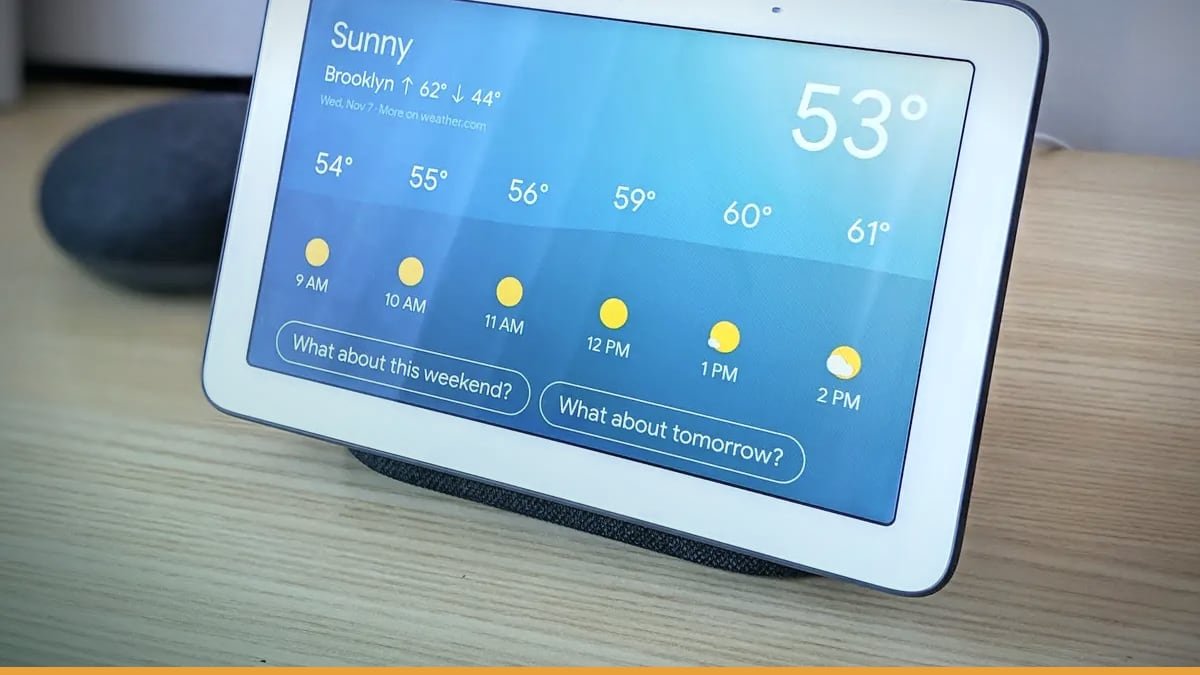
Header image source: Google Home Hub Review – Business Insider via Business Insider via Google — cropped to 16:9 and colour-adjusted.
Key takeaways
- Google Home requires the app for setup and full functionality
- Over 80,000 compatible smart home devices via Works with Google Home
- Premium with Gemini unlocks advanced AI automations and alerts
Google Home Premium with Gemini unlocks advanced AI features. That’s the headline.
That’s like buying a smartphone and only using it to make calls.
Step 1: Set Up via the Google Home App (Or It’s a Paperweight)
Google Home can be set up using the Google Home app on iOS or Android devices. No app? No Google Home. It’s that simple.
** No account, no assistant. No exceptions.
(Source: Google’s official setup docs, [primary_source])
Step 2: Link Smart Home Devices—All 80,000+ of Them
Google Home supports 80,000+ compatible devices through the Works with Google Home program. That’s not a typo. But here’s the catch: Not all devices work the same way.
(Source: Google Home About page, [whats_new])
Step 3: Master Voice Commands (Beyond "Play Spotify")
- Fine. But that’s table stakes. Here’s what else works—and what doesn’t:
Music streaming: Google Home supports voice commands for playing music from services like Google Play Music, YouTube Red, Pandora, and Spotify.
- Example commands:
- "Play [song] on Spotify. "
- **
- **
- **
Smart home control:
- Grouped devices (e.g.
Information queries:
- requires two separate commands).
- Local queries ("What’s the traffic to work? ") work well if Google Maps has your commute saved.
Chromecast audio trick:
- Guests can cast to Google Home without Wi-Fi access—handy for parties.
(Source: CNET tips, [what_happened])
Step 4: Automate Routines (This Is Where It Gets Good)
This is where Google Home stops being a remote control and starts being a **proactive assistant. The Google Home app has an Automations section for managing smart home devices.
How to build a routine: 1. 2. 3.
Example routines:
Limitation: Video history (for Nest cameras/doorbells) only works for 2021+ models. Older devices show live feeds only.
(Source: Google Home app breakdown, [what_happened])
Step 5: Expand with Web and Premium Features (If You’re Serious)
Google Home isn’t just an app and speaker anymore. Google Home for web allows checking Nest cameras and doorbells through a browser, and Google Home Premium with Gemini unlocks advanced features.
Google Home for web:
- Access Nest cameras/doorbells via browser (desktop or mobile).
- Limitation: Video history is only for 2021+ devices. Older models show live feeds only.
Google Home Premium with Gemini:
- Advanced AI features (smarter automation suggestions, proactive alerts).
- Cost: Subscription-based (exact pricing not disclosed).
- Is it worth it? Depends. Basic automations work without it, but power users might see value.
(Source: Google Home Welcome page + Premium docs, [whats_new])
The Google Home App: Your Command Center (Not Just for Setup)
That’s a mistake. The app has three core tabs, each serving a distinct purpose:
1.
2.
- Automations tab – Build custom routines (e.g., "Movie Time" dims lights + turns on TV via Chromecast).
Limitation: No native audio port on Google Home Hub—requires Bluetooth speakers for external audio.
(Source: Google Home support docs, [what_happened]; Financial Express, [criticism])
Matter and Thread: Why These Technologies Actually Matter
Google Home’s support for Matter and Thread isn’t just marketing jargon—it’s a fundamental shift in how smart home devices communicate.
Matter protocol:
- Unified standard for smart home devices (Wi-Fi or Thread).
Google Home works with over 80,000 compatible devices.
Thread technology:
Catch: Not all Matter devices are equal.
(Source: Google Home About page, [whats_new])
Privacy and Security: What Google Knows (And How to Limit It)
Google Home records every voice command and stores it in your Google account. That’s not optional—it’s how the system learns and improves. But you have some control over what gets saved and how.
Voice commands are saved:
Mute options: Users can mute Google Home by touching the top surface or pressing the ‘disable mic’ button on the rear panel. Users can mute Google Home by pressing the ‘disable mic’ button on the rear panel.
Guest mode: Google Home can act as a Chromecast audio device, allowing guests to use it without accessing your Wi-Fi network.**
(Source: Asian Age review + CNET, [what_happened])
The Hidden Limitations: What Google Home Still Can’t Do
Google Home is powerful, but it’s not perfect. Here are the gaps that trip up users:
- No audio port on Google Home Hub – Requires Bluetooth speakers for external audio.
- Video history limited to 2021+ Nest devices – Older cameras/doorbells only show live feeds.
- Premium features locked behind subscriptions – Advanced AI and automation tools cost extra.
- At launch, Google Home’s services were limited to Uber; now it works with over 80,000 compatible devices.
(Source: Financial Express, [criticism]; Google Home support docs, [criticism]; CNET, [context])
The Future: Where Google Home Is Headed
Google Home isn’t standing still. Here’s where it’s likely going—and what it means for users:
1. 2. 3. 4.
(Source: Google Home About page + evolution notes, [whats_new])
The Real Question: Is Google Home Worth It?
Google Home isn’t just a speaker—it’s a multi-layered AI ecosystem that can automate your home, control thousands of devices, and even predict your needs.
To use it effectively:
- Set up via the Google Home app (no app, no Google Home).
- Link smart devices (Google Home works with over 80,000 compatible devices).
- Master voice commands (Google Home supports voice commands for playing music).
- Automate routines (the Google Home app has an Automations section).
- Expand with web/premium features (Google Home for web allows checking Nest cameras, and Premium unlocks advanced features).
The open question isn’t whether Google Home works—it’s whether you’ll bother to use it beyond the basics. And that’s the real waste.
Sources
- How to use Google Home
- How to use Google Home for web & the Nest web app
- How to use Google Home Hub to set up external speakers
- Google Home (India) review: Unboxing; How to set up, Use
- Meet the Google Home app
- Google Home: Your Smart Home, Powered by Gemini
- A Smarter Home App, Built Around You | Google Home
Leave a Reply