Category: Uncategorized

  • Why Use Home Assistant?: The Case for Local, Private, and Powerful Home Automation

    Why Use Home Assistant?: The Case for Local, Private, and Powerful Home Automation

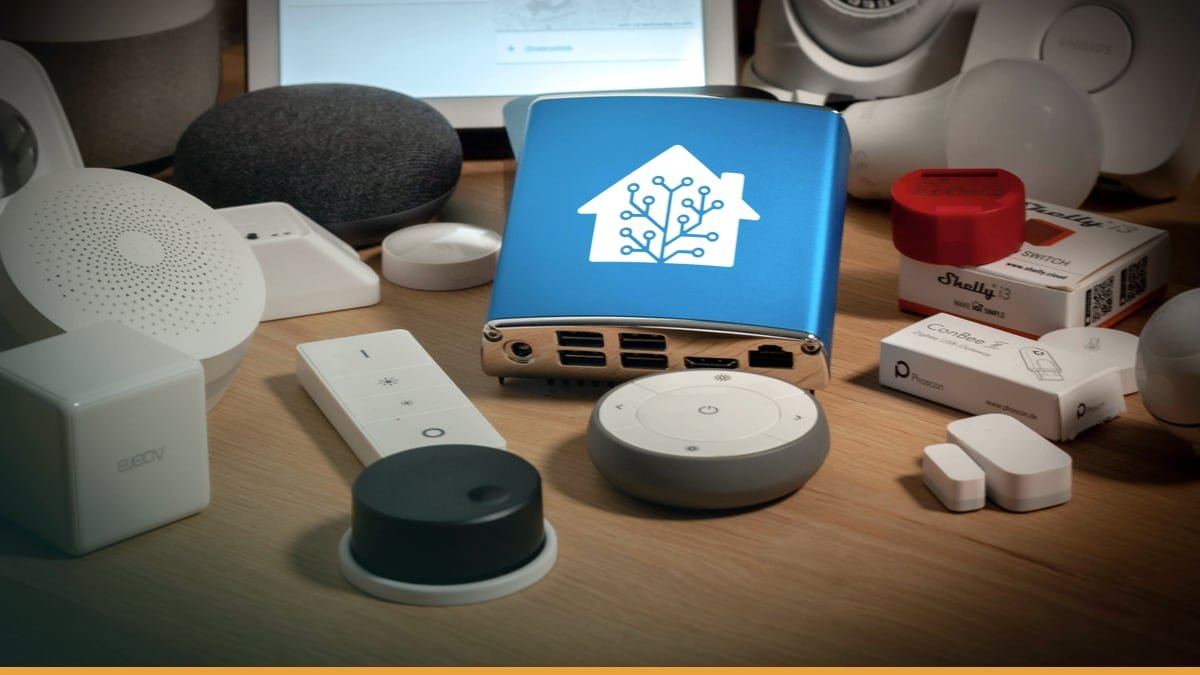
    Header image source: Home Assistant Blue! – Home Assistant via Home Assistant via Google — cropped to 16:9 and colour-adjusted.

    Key takeaways

    • Home Assistant runs entirely on your hardware for maximum privacy
    • Unifies thousands of devices into one interface with native Tailscale support
    • Enables complex automations and debugging without cloud dependencies

    Home Assistant now offers native Tailscale support, and the community is engaged. It provides secure remote access. It keeps your data secure. It provides secure remote access without relying on cloud services. That’s not just an update. That’s a middle finger to the cloud-dependent smart home status quo.

    Here’s the direct answer: Home Assistant puts you in control. Your data stays on your hardware. Your devices work together through unified integration. Your automations can range from simple to complex without paying a subscription. This isn’t another smart home app. It’s a fundamental shift in how home automation should work.

    The real story isn’t the promise. It’s the execution.


    Privacy Isn’t a Feature. It’s the Foundation.

    Home Assistant doesn’t just talk about privacy. It runs entirely on your own hardware, in your own home, with no mandatory cloud servers or paywalled features. That’s not marketing copy. That’s the core principle. Compare that to cloud-based platforms where data typically flows through corporate servers. With Home Assistant, your data doesn’t leave your network unless you explicitly send it somewhere.

    But privacy isn’t absolute. If you enable Alexa or Google Assistant integrations, you’re reintroducing cloud dependencies. The security advantage evaporates. The workaround? Local voice assistants like Piper and Whisper, which process speech entirely on-device. They’re clunkier than Siri or Alexa—expect mishears and slower responses—but they’re improving. The trajectory is clear: Home Assistant is building a future where even voice control doesn’t require surrendering your data to a tech giant.

    The trade-off is real. Home Assistant has no paywalled features, but requires self-support. If issues arise, you’re responsible for troubleshooting. For users who prioritize privacy over convenience, that’s a fair exchange. For everyone else, it’s a dealbreaker.


    One Interface to Rule Them All

    Smart homes today are a fragmented mess. Different devices often require separate apps. Different devices often require separate apps. Various smart home technologies come with their own ecosystems and limitations. Home Assistant cuts through the noise by integrating thousands of devices into a single interface. It doesn’t just bridge ecosystems. It merges them.

    Take 433 MHz RF sensors. These are older, low-power devices often used for motion detection or door/window alarms. Most modern platforms ignore them entirely. Home Assistant can integrate them via a USB antenna like the RFXcom. Suddenly, those “dumb” sensors become part of your automations—triggering lights, alerting you to movement, or feeding into energy-saving routines. That’s not just convenience. It’s future-proofing. Home Assistant lets you mix old and new hardware, proprietary and open-source, without being locked into a single vendor’s vision.

    The exceptions prove the rule. Some ecosystems may require additional work for integration. Some ecosystems require dedicated hardware. But even these limitations are temporary. Home Assistant’s open-source nature means community developers can—and do—build integrations faster than corporate teams can lock down their APIs. The result? A platform that adapts to your hardware, not the other way around.


    Automation Isn’t an Afterthought. It’s the Whole Point.

    Most smart home platforms treat automation as a checkbox feature. Basic automation examples Basic automation examples Home Assistant treats automation as a first-class citizen. It’s not just a feature. It’s a superpower.

    Start with presence detection. Home Assistant’s mobile apps can send your location back to your server, enabling automations like garage doors opening as you pull into the driveway or thermostats adjusting when you leave the house. That’s not new—cloud platforms do this too. But Home Assistant lets you debug these automations in real-time. You can watch them execute, check logs to see why something triggered (or didn’t), and manually test conditions. This level of transparency is unheard of in cloud-dependent systems, where automations are black boxes.

    Then there’s energy management. The Home Energy Management feature provides granular insights into your power usage, tracking everything from solar production to individual appliance consumption. Want to know detailed energy consumption of specific devices? Home Assistant can provide insights and enable energy-saving automations. Cloud platforms may offer energy tracking but with different limitations.

    The catch? Complex automations require hardware. Energy monitoring needs smart plugs or dedicated sensors. Presence detection needs reliable GPS or Wi-Fi tracking. Home Assistant gives you the tools, but it doesn’t magic away the physics. That’s not a flaw. It’s a feature. You’re not limited by what a cloud provider allows. You’re limited by what you’re willing to build.


    Remote Access Without the Cloud: Your Home, Your Rules

    Remote access is where most smart home platforms force you into their cloud. Many smart home platforms route commands through cloud servers. Home Assistant flips the script. Tailscale integration provides secure, peer-to-peer remote access without exposing ports to the internet.

    Tailscale is a VPN service that creates a private network between your devices, using WireGuard under the hood. Install it on your Home Assistant server and your phone, and suddenly you’re accessing your dashboard as if you were on your local network. Simplified remote access. No cloud middlemen. It’s not as seamless as opening an app and having everything “just work,” but the trade-off is control. You’re not relying on a corporation’s servers staying online or their security staying intact.

    For quick interactions, the official Home Assistant apps offer a middle ground. They support Apple Watch, letting you toggle devices or check notifications without pulling out your phone. Again, this isn’t groundbreaking—cloud platforms have had watch apps for years. But Home Assistant’s version works without sending your commands through a third-party server. That’s the difference between convenience and sovereignty.


    Scalability: Grow Without Limits

    Home Assistant doesn’t care what hardware you run it on. A Raspberry Pi is enough to get started, but you’re not locked into it. Running Home Assistant in Docker on separate hardware improves fault tolerance and allows co-hosting other services. Need more power? Move it to a NAS. Need enterprise-grade reliability? Run it on a server. The platform scales from a single-room setup to a whole-home deployment without forcing you into a specific ecosystem.

    This flexibility extends to integrations. Want to add a Zigbee hub? Add compatible hardware. Need Z-Wave? Add compatible hardware. Need more connectivity? Offload some services to Docker containers on another machine. Home Assistant doesn’t just tolerate this kind of tinkering. It encourages it. The result is a system that evolves with your needs, rather than one you outgrow.

    The open-source model accelerates this adaptability. Community-developed integrations emerge faster than corporate teams can lock down their APIs. Need support for a niche device? Someone’s probably already built it. Want to experiment with local AI? The Home Assistant community is on it. This isn’t just about avoiding vendor lock-in. It’s about tapping into a hive mind of power users and developers who are pushing the boundaries of what home automation can do.


    The Catch: Control Comes With Costs

    Home Assistant isn’t for everyone. The biggest trade-off is technical overhead. Setup isn’t plug-and-play. You’ll need to flash firmware, configure YAML files, and troubleshoot integrations. Maintenance isn’t hands-off. Updates can break things, and debugging requires diving into logs. If you’re not comfortable with a command line or a forum thread, Home Assistant will frustrate you.

    Then there’s the hardware cost. Advanced features like energy monitoring or local voice assistants require additional sensors, hubs, or compute power. A basic setup might run on a Raspberry Pi, but a fully featured system could demand a NAS, multiple dongles, and dedicated AI hardware. That’s not Home Assistant’s fault. It’s the reality of building a system that does everything cloud platforms handle for you. The difference is that with Home Assistant, you’re investing in your infrastructure, not renting someone else’s.

    Privacy isn’t absolute, either. Linking Alexa or Google Assistant reintroduces cloud dependencies, negating Home Assistant’s security advantages. Even local voice assistants like Piper require more setup than cloud-based alternatives. For users who prioritize convenience over control, these trade-offs aren’t worth it.


    Who Should Use Home Assistant?

    Home Assistant is for three kinds of users:

    1. The privacy-conscious. If you’re unwilling to share your home’s data with tech giants, Home Assistant is the only viable alternative. It’s not just about avoiding ads or tracking. It’s about owning your digital footprint. No telemetry. No mandatory cloud. No hidden subscriptions.
    1. The power users. If you want advanced automations, Home Assistant delivers. Presence detection, energy management, real-time debugging—these aren’t add-ons. They’re core features. The platform is built for users who see their smart home as a project, not a product.
    1. The long-term adopters. If you’re tired of vendor lock-in, Home Assistant is a hedge against obsolescence. Proprietary ecosystems come and go. Home Assistant adapts. It’s open-source, self-hosted, and community-driven—meaning it evolves with your needs, not a corporation’s roadmap.

    It’s not for everyone. Casual users who want simple automations will find Home Assistant overkill. Users unwilling to troubleshoot or invest in hardware will hit walls. And those who don’t care about privacy won’t see the value in the trade-offs.


    The Future: Local AI and Voice Assistants

    Home Assistant’s roadmap points toward a future where even voice control and AI don’t require cloud dependencies. Local voice assistants like Piper and Whisper are already emerging as alternatives to Siri and Alexa. They’re not as polished—yet—but they’re improving rapidly. The same goes for local AI. Early integrations like Home Assistant’s conversation agent hint at a future where your smart home’s intelligence runs on-device, not in a data center.

    This isn’t just about privacy. Local AI could enable smarter automations without latency. Imagine a system that learns your routines without sending your data to the cloud, or one that adapts to your behavior in real-time. Cloud platforms will always be limited by bandwidth and server load. Home Assistant’s local-first approach removes those bottlenecks.

    The open-source model accelerates this innovation. Community-driven development means new features emerge faster than corporate teams can ship them. Need local AI for your smart home? Someone’s already working on it. Want better energy insights? The community delivers. This isn’t speculation. It’s how Home Assistant has operated for years.


    The Open Question: Can Home Assistant Cross the Chasm?

    Home Assistant is powerful, private, and endlessly customizable—but it’s still niche. The question isn’t whether it works. It’s whether it can become mainstream without sacrificing what makes it special.

    The biggest hurdle isn’t technical. It’s cultural. Most users don’t want to tinker. They want things to work seamlessly. Home Assistant’s strength—its flexibility—is also its barrier to adoption. Can it simplify setup without compromising control? Can it appeal to casual users without alienating power users? The answer isn’t clear.

    What is clear is that Home Assistant represents a different vision for home automation. One where your data stays yours. One where your devices work together, not against each other. One where your system evolves with your needs, not a corporation’s roadmap. That vision won’t appeal to everyone. But for those who value control over convenience, it’s the only game in town.

    The real question isn’t whether Home Assistant can cross the chasm. It’s whether the rest of the smart home industry will ever catch up.



  • **Why Use Homebrew? The Case for macOS, Linux, and WSL’s Most Flexible Package Manager**

    **Why Use Homebrew? The Case for macOS, Linux, and WSL’s Most Flexible Package Manager**

    Header image source: Use ‘Homebrew’ on Mac to Make Installing and Updating Apps Much Easier | Lifehacker via Lifehacker via Google — cropped to 16:9 and colour-adjusted.

    Key takeaways

    • Homebrew simplifies software installs to one command across macOS, Linux, and WSL
    • Handles dependencies automatically and avoids system conflicts with keg-only formulae
    • Automates updates and cleanup while scaling for teams via Workbrew and Brewfiles

    brew install just became the default way to manage open-source tools on macOS, Linux, and WSL. Again. This week, Homebrew’s GitHub repository crossed thousands of formulae in homebrew-core, and the homebrew/cask tap now hosts thousands of GUI applications. Numbers don’t lie—Homebrew isn’t just popular. It’s the default.

    Why? Because installing software on these platforms is still a mess. Apple’s App Store doesn’t focus on command-line tools. Linux package managers vary across distributions. Windows users in WSL can benefit from a consistent workflow. Homebrew fixes this with one command. It minimizes manual downloads. It reduces dependency issues. It eliminates the need to hunt for .dmg files or .deb packages. It installs, updates, and removes software in a single, unified flow—while keeping everything neatly sandboxed away from system files.

    If you’re a developer, sysadmin, or power user, Homebrew isn’t just convenient. It’s the most efficient way to manage open-source tools across platforms. Full stop.


    The One-Command Promise: Why brew install Beats Everything Else

    The core of Homebrew is brew install [package]. That’s it. It typically avoids compiling from source. It eliminates digging through forums for download links. It handles missing libraries automatically. Want ffmpeg? brew install ffmpeg. Need node? brew install node. GUI apps can be installed via cask. Homebrew handles downloads, dependency resolution, and configuration.

    This isn’t just convenience. It’s eliminating friction. Without Homebrew, installing postgresql on macOS involves multiple manual steps.

    With Homebrew: “bash brew install postgresql “ Typically one command. Homebrew fetches and installs software. No GUI required. Minimal manual steps. Reduces guesswork.

    Cross-Platform Consistency: One Workflow Everywhere

    Homebrew works on:

    • macOS: Installs to /usr/local, avoiding conflicts with Apple’s System Integrity Protection (SIP).
    • Linux: Installs to ~/.linuxbrew, requiring no sudo and keeping everything user-level.
    • WSL: Provides a familiar workflow for Windows users who need Linux tools.

    This matters. A Linux user moving to macOS can use familiar commands. A Windows user in WSL can use consistent commands. Consistency isn’t a nice-to-have—it’s a productivity multiplier.


    Dependency Management Without the Nightmares

    Dependency hell isn’t theoretical. It’s real. Ever tried installing a tool manually, only to hit dependency issues? Homebrew handles dependency resolution.

    Installing postgresql pulls in necessary dependencies.

    This happens automatically. Minimizes manual downloads. Reduces version conflicts. Minimizes broken installs.

    Keg-Only Formulae: Avoiding System Conflicts

    Some packages are installed but not linked by default. These are keg-only formulae to avoid conflicts. macOS ships with an older Python, but you might need newer versions. Homebrew installs it to /usr/local/Cellar/python@3.9 but doesn’t symlink it to /usr/local/bin unless you explicitly run: “bash brew link --force python@3.9 “ This keeps system versions intact while providing alternatives.

    Bottles: Pre-Compiled Binaries for Speed

    Compiling software from source takes time. Homebrew accelerates installs with pre-compiled binaries. For example, using a flag to prefer pre-compiled binaries. This skips compilation, significantly speeding up installation. Bottles are built for common versions.


    GitHub-Powered: Why Homebrew’s Ecosystem Outpaces the Rest

    Homebrew’s package ecosystem is hosted on GitHub. This isn’t a minor detail. It helps Homebrew scale effectively.

    Formulae: The Building Blocks of Homebrew

    Every package in Homebrew is defined by a formula. The homebrew-core repository hosts thousands of formulae covering many tools.

    Here’s a snippet from the ffmpeg formula: “ruby class Ffmpeg < Formula url "https://ffmpeg.org/releases/ffmpeg-5.1.2.tar.xz" sha256 "51322be3ba600e512df708643358b1a2f660485bbc3ab6c64578064a0c8656b5" license "GPL-2.0-or-later" depends_on "nasm" =>:build depends_on "x264" depends_on "x265" #... more dependencies end “ This script ensures Homebrew knows:

    • Where to download ffmpeg.
    • What dependencies (nasm, x264, x265) are required.
    • How to verify the download’s integrity with a SHA-256 hash.

    Community Contributions: The Engine of Growth

    Homebrew enables contributions through GitHub. If a tool isn’t in Homebrew, you can:

    1. Fork the homebrew-core repository.
    2. Write a formula for the tool.
    3. Submit a pull request.

    This has led to expansion of Homebrew’s package catalog. Tools like modern alternatives to basic commands were added by community members. The result? Homebrew stays ahead of the curve.

    Taps: Extending Homebrew Beyond Core

    Homebrew’s core repository is just the start. Taps add more packages. Some notable taps include those for GUI applications, services, and bundle management.

    For example, to install GUI applications via cask. Taps make Homebrew highly extensible. Users can maintain their own package repositories.


    Updates and Maintenance: The Silent Productivity Boost

    Software rot is real. Tools fall out of date. Security vulnerabilities emerge. Manual updates become a chore. Homebrew automates this with a handful of commands:

    • brew update: Fetches the latest formulae from GitHub.
    • brew upgrade: Updates all installed packages to their latest versions.
    • brew outdated: Lists packages with available updates.
    • brew cleanup: Removes old versions and cached downloads.

    For example, running brew outdated shows which packages have updates available. The brew upgrade command updates packages. No need to visit websites. No manual downloads required. Minimizes broken dependencies.

    Cleaning Up After Yourself

    Homebrew caches downloads and keeps old versions, which can consume significant disk space over time. The brew cleanup command reclaims space. This removes old versions, cached downloads, and unnecessary files.

    For example, after upgrading packages, brew cleanup frees up space by removing old versions. Over time, this adds up—especially on laptops with limited storage.


    Scaling Homebrew for Teams and Organizations

    Homebrew isn’t just for individual developers. It scales to teams, organizations, and enterprises with additional tools.

    Workbrew: Homebrew for Teams

    Commercial extensions exist for team-wide package management. It provides centralized control, audit capabilities, and compliance features.

    For example, a company can define required tools and distribute them for consistent installation.

    This ensures consistency across development environments.

    Private Taps: Internal Package Management

    Companies can host private taps for proprietary tools. For example, a company might maintain a private tap with internal tools and custom software.

    Employees add the tap and install tools from it. This keeps internal tools manageable across the organization.

    Bulk Management with Brewfile

    The brew bundle command installs multiple packages from a configuration file. For example, a Brewfile can list packages to install. Running brew bundle installs listed packages. This is useful for setting up machines, onboarding, and ensuring consistency.


    macOS-Specific Superpowers: Filling Apple’s Gaps

    macOS ships with older versions of tools. Homebrew provides newer versions of tools and additional software.

    Tools Apple Forgot

    macOS ships with older versions of common tools like bash, python, and git.

    Homebrew installs modern versions of tools. This ensures you have current software.

    Avoiding System Integrity Protection (SIP)

    Apple’s SIP restricts system file modifications. Homebrew avoids SIP restrictions by installing to user-writable locations. This means easier installation, fewer conflicts, and safer upgrades.

    Reinstalling After a macOS Reset

    Resetting a Mac or setting up a new one can be simplified with Homebrew. With brew bundle, you can save your setup and restore it after a reset. This reinstalls your tools in one go. No manual downloads needed. Fewer forgotten apps.


    Linux and WSL: Homebrew as the Cross-Platform Equalizer

    Homebrew isn’t just for macOS. On Linux and WSL, it provides a consistent package manager.

    Linux: No sudo, No Conflicts

    On Linux, Homebrew installs to user directories, avoiding system conflicts. This is ideal for:

    • Developers who switch between macOS and Linux: Same brew commands on both.
    • Users who don’t have sudo access: Install tools without admin privileges.
    • Avoiding distribution-specific quirks: apt vs. yum vs. dnf becomes irrelevant.

    For example, installing tools on Linux with Homebrew. No need for distribution-specific commands. No need for external repositories. Just one command typically.

    WSL: A Familiar Workflow for Windows Users

    Windows users running WSL may find Linux package managers unfamiliar. Homebrew provides a familiar workflow with consistent commands across platforms.

    For example, a Windows user in WSL can use Homebrew commands.


    The Trade-offs: When Homebrew Isn’t the Answer

    Homebrew isn’t perfect. There are scenarios where it’s not the right tool.

    Not for System-Wide Services

    Homebrew installs to user directories, making it unsuitable for system-wide services and low-level tools.

    For these, use system package managers or containers.

    Disk Space: Bottles Add Up

    Homebrew’s cached downloads can consume significant disk space. For example, package bottles can be large.

    This adds up over time, especially on laptops with limited storage. Regular cleanup helps manage space, but there’s a convenience trade-off.

    Learning Curve: Advanced Use Requires CLI Skills

    Homebrew is easy for basic use but requires CLI knowledge for advanced scenarios.

    Users who prefer GUIs might find other tools more approachable.

    Alternatives: When to Look Elsewhere

    Homebrew isn’t the only option. Alternatives include MacPorts, Nix, and OS-native package managers with different characteristics.


    Is Homebrew Worth It?

    Homebrew’s value comes down to one question: How much time do you spend managing software? If the answer is "too much," Homebrew is worth it. It reduces manual work while providing a cross-platform package ecosystem.

    For individual developers, Homebrew is a no-brainer. It’s open-source and reduces frustration. For teams and organizations, additional tools make it scalable.

    The only real downside? Disk space. But with cleanup, disk space can be managed.

    So, why use Homebrew? Because software management shouldn’t be a chore. Homebrew simplifies it to basic commands. And in a world where time is the scarcest resource, that’s not just convenient. It’s essential.

    The real question isn’t whether you can afford to use Homebrew. It’s whether you can afford not to.


  • **Where Is Home Right Now? The Data Behind Today’s Shifting Housing Market**

    **Where Is Home Right Now? The Data Behind Today’s Shifting Housing Market**

    Header image source: Prescott Real Estate Sales | Home Right® via www.homerightrealestate.com via Google — cropped to 16:9 and colour-adjusted.

    Key takeaways

    • Existing-home sales fell 2% in August 2026, with uneven regional impacts
    • Affordability is driving buyers to newly affordable cities
    • Sellers face a paradox: list now or risk missing a value surge

    Existing-home sales fell 2.0% in August 2026. Not a freefall. Not even a surprise. Just the latest data point in a market that refuses to sit still. The West held steady—no change—while the Northeast and Midwest dipped. That split isn’t random. It’s the story of a housing market that no longer moves in lockstep. One number, one month, doesn’t define the whole, but it reveals something deeper: home isn’t one place anymore. It’s a moving target, dictated by supply constraints, pricing precision, and regional resilience. Buyers chase value. Sellers cling to hope. And anyone waiting for clarity? They’re still waiting.


    The National Slowdown: Why 2.0% Matters More Than It Should

    A 2.0% drop in existing-home sales isn’t dramatic. It’s not the kind of number that sends shockwaves through the industry. But it’s not noise, either. It’s the continuation of a trend that’s been building for months—one that the National Association of Realtors (NAR) data confirms was uneven. The West stayed flat. The Northeast and Midwest slid. That disparity isn’t an accident. The West has been the outlier for years, propped up by constrained supply, tech money, and buyers who treat real estate like a necessity, not a luxury. Elsewhere? The story is different.

    Higher mortgage rates? Economic uncertainty? A shift in buyer psychology? The brief doesn’t pinpoint the cause, but the effect is clear: the market is cooling. Just not uniformly. And that’s what makes this decline interesting. A 2.0% drop is incremental—hardly the stuff of headlines. But incremental changes add up. This isn’t a correction. It’s a recalibration. The question isn’t whether the market is slowing. It’s whether this is the new normal. If it is, buyers and sellers are stuck in limbo. Home isn’t just about location anymore. It’s about timing. And right now, timing is everything.


    The Seller’s Paradox: Why Some Markets Stay Hot While Others Fade

    Seller’s markets aren’t dead. They’re just hiding. Analysis points to supply constraints as the culprit—places where construction hasn’t kept pace with demand for years. Coastal cities. High-growth metros. Anywhere with zoning laws that make building feel like solving a Rubik’s Cube blindfolded. In these areas, the rules haven’t changed. Inventory is tight. Competition is fierce. Buyers still pay up. The national slowdown? That’s someone else’s problem.

    But here’s the paradox: sellers in these markets are hesitating. Not because their homes won’t sell. Because they might sell too soon. Realtor. Advice to list now—before the "spring rush"—reads like a gamble. What if values surge after you sell? What if you’re leaving money on the table? That hesitation keeps inventory artificially low, reinforcing the very conditions that make these markets hot in the first place. It’s a self-fulfilling prophecy. The more sellers wait, the tighter supply gets. The tighter supply gets, the higher prices climb.

    So where is home in this scenario? For sellers, it’s a moving target. Always just out of reach. Always one market cycle away from perfection. For buyers, it’s the handful of homes that hit the sweet spot—priced right, staged well, in a location where demand hasn’t evaporated. The rest? They’re stuck in limbo, watching the clock.


    Buyer Behavior: What They Want—and Where They’re Finding It

    Buyers aren’t just looking for homes anymore. They’re looking for value. The brief doesn’t mince words: "quality homes at the right price" are winning. That’s not a euphemism. It’s a strategy. In a market where affordability is the gatekeeper, buyers vote with their wallets. They skip fixer-uppers. They skip overpriced listings. They skip markets where competition is still cutthroat. Instead, they target turnkey properties in places where the math still works.

    The American Home Shield (AHS) list of the "10 best places to buy a home right now" tells the story. These aren’t the usual suspects—Manhattan, San Francisco, Austin. They’re cities where homes are "competitively priced. " Code for: affordable enough to justify the purchase. The brief doesn’t name the cities, but the implication is clear. Home is migrating. It’s not just about where you want to live anymore. It’s about where you can live without stretching your budget to the breaking point.

    HUD’s role in this shift is worth noting, though the brief doesn’t dive deep. The agency offers housing counselors to help buyers navigate the process. But how many are actually using them? Are these resources filling a gap left by traditional agents? Or are they just another layer of bureaucracy? The brief doesn’t say. But their existence suggests a market where buyers need all the help they can get.


    The Affordability Factor: Why Home Is Moving to New Cities

    Affordability isn’t just a buzzword. It’s the new north star for homebuyers. The brief’s emphasis on "competitively priced homes" isn’t accidental. It’s an acknowledgment that the market has changed. Prices aren’t collapsing. They’re not climbing, either. They’re settling into a new equilibrium—one where buyers refuse to pay whatever it takes to get into a home. They’re looking for deals. And if they can’t find them in their dream neighborhood, they’re looking elsewhere.

    The AHS list of the 10 best places to buy a home is a roadmap for this shift. These cities aren’t just affordable. They’re places where buyers can still get a foothold without sacrificing their financial future. The brief doesn’t confirm whether buyers are actually migrating to these areas. But the list implies a trend. Home is no longer tied to geography. It’s tied to opportunity.

    For sellers, this is a wake-up call. The days of listing a home and watching buyers line up are over—at least in most markets. Now, it’s about pricing right. Staging well. Accepting that the pool of buyers might be smaller than it was a year ago. For buyers, it’s a reminder. Home isn’t just where the heart is. It’s where the math adds up.


    The Timing Trap: Why Sellers Are Stuck Between Fear and Opportunity

    Sellers are caught in a timing trap. Realtor. Advice to list now—before the "spring rush"—reads like a Hail Mary. The logic? Sell before everyone else does, and you might avoid the glut of inventory that could drive prices down. But the data from August 2026 tells a different story. A 2.0% drop in existing-home sales. Declines in most regions. The spring rush isn’t guaranteed. Even if it comes, there’s no promise it’ll lift all boats.

    The fear of regret is real. The brief cites homeowners who worry about selling right before a surge in property values. That’s not irrational. It’s the same psychology that’s kept inventory tight for years. But it’s also a gamble. What if the surge never comes? What if the market keeps cooling? What if sellers who wait find themselves competing with a flood of listings next year?

    The inventory bottleneck is the real story here. If sellers stay on the sidelines, supply remains constrained. Prices stay elevated in the markets that matter. But if enough sellers decide to list—whether out of necessity or optimism—suddenly home becomes harder to find for everyone else. The question isn’t just whether sellers should list now. It’s whether they can afford not to.


    The New Rules of Engagement: How Buyers and Sellers Are Adapting

    The market isn’t broken. It’s just different. The old rules don’t apply anymore. Buyers aren’t just looking for a roof over their heads. They’re looking for a deal. Sellers aren’t just listing their homes. They’re pricing them with surgical precision. Both sides are learning that home isn’t a static concept. It’s a moving target, shaped by supply, demand, and affordability.

    The brief’s focus on homes that are priced right and show well is a clue to the new playbook. Presentation matters now more than ever. A well-staged home, priced just below market expectations, sells faster than a fixer-upper with an optimistic list price. That’s not just good advice. It’s survival strategy.

    Regional arbitrage is another factor. Buyers are targeting the AHS list of affordable cities. But what are they giving up in the process? Space? Proximity to jobs? Amenities? The brief doesn’t say. But the trade-offs are real. Home isn’t just about where you live. It’s about what you’re willing to sacrifice to get there.

    HUD’s housing counselors are part of this new landscape. Their impact is unclear. Are they helping buyers navigate the market? Or are they just another layer of complexity? The brief doesn’t provide answers. But their existence suggests a market where buyers need more guidance than ever.


    The Big Picture: Where Does This Market Go Next?

    The market isn’t crashing. It’s not recovering, either. It’s splintering—into regional hotspots, affordability-driven migrations, and a seller’s paradox where hesitation keeps inventory tight. The West’s resilience, the Midwest’s decline, and the rise of "competitively priced" cities all point to a future where home is increasingly regionalized.

    The affordability ceiling is the real story. If buyers keep prioritizing value, the AHS list of best places to buy could become the default for homeownership. That’s not just a shift in where people live. It’s a shift in what homeownership means. It’s no longer about the biggest house in the best neighborhood. It’s about the best deal in a market that still makes sense.

    For sellers, the dilemma is whether to list now or wait for a surge that may never come. If enough sellers hesitate, inventory stays tight. Prices stay elevated in the markets that matter. But if economic pressures force more owners to list—job changes, financial strain, sheer exhaustion—the market could tilt in buyers’ favor.

    So where is home right now? Wherever the data says it is—today. Tomorrow? That’s anyone’s guess. The only certainty is that the rules have changed. The old playbook doesn’t work anymore. The question isn’t whether the market will stabilize. It’s whether buyers and sellers can adapt fast enough to keep up. And if they can’t? Then home isn’t just a moving target. It’s a mirage.


  • **What Is the Definition of “Home”? The Evidence Beyond Four Walls**

    **What Is the Definition of “Home”? The Evidence Beyond Four Walls**

    Header image source: PDF) Beyond Four Walls’. The Psychosocial Benefits of Home: Evidence from West Central Scotland via Academia.edu via Google — cropped to 16:9 and colour-adjusted.

    Key takeaways

    • Home is a psychological contract, not just a physical structure
    • Dictionaries define home as a dwelling, but real home is where you feel safest
    • Digital spaces now serve as psychological homes for many marginalized groups

    Home isn’t a house. It’s the place where you can stumble in at 3 AM, barefoot and half-asleep, and not have to explain yourself. The light switch is always on the left. The floorboards creak in the exact same spot. The smell of coffee—or dust, or old books—hits you like a memory before your eyes even open.

    Dictionaries call it a physical residence. One dictionary defines it as "one’s place of residence or domicile. " Another definition is "the house or apartment where you live, especially with your family. " The Oxford English Dictionary defines home as a dwelling place, a person’s house or abode. But those are just the bones. The rest is messier. Home is where you feel most comfortable, loved, protected. Vocabulary. One source puts it better: "a place so profoundly familiar you don’t even have to notice it. " It’s the only concept that’s legally binding (a domicile), emotionally binding (a sanctuary), and socially binding (a site of identity). And yet, for all its weight, home is slippery. You can be home without feeling at home. You can feel at home in a stranger’s guest room, a childhood bedroom you haven’t slept in for decades, or a Discord server where everyone knows your username but not your face.

    That tension—between the dictionary’s bricks and the heart’s quiet certainty—is why the question resists a single answer. Home isn’t just a place. It’s a psychological contract, a fragile alchemy of time, memory, and unconditional belonging. And like all contracts, it can fracture, migrate, or multiply.


    The Physical Home: Why Bricks and Leases Fall Short

    The dictionary is stubborn. Home, it insists, is a structure. Dictionary. One dictionary calls it "a house, apartment, or other shelter that is the usual residence of a person, family, or household. " Legal and financial systems double down. Domicile laws tie it to tax residency, voting rights, inheritance. Mortgages and leases treat it as an asset, a line item on a balance sheet. Even the Oxford English Dictionary’s definition of home as the fixed residence of a family or household betrays a Western bias, assuming permanence where none may exist.

    But the physical definition collapses under scrutiny. Homesick children experience home as a boundary, a line between "here" and "not-here" that has nothing to do with square footage. For them, home isn’t a house; it’s a feeling of safety that can’t be replicated elsewhere. Nomads, digital nomads, refugees—all challenge the idea of a “usual residence.” For a Mongolian herder, home might be a ger (yurt) that moves with the seasons. For a truck driver, it’s the cab of their rig. For a Syrian refugee, home may be a memory, a language, or a key they carry in their pocket—the last remnant of a door that no longer exists.

    Even in stable societies, the physical home is necessary but insufficient. A house is a container; home is what happens inside it. You can own a mansion and feel homeless. You can rent a studio and feel utterly, unshakably at home. The disconnect reveals a truth: the dictionary gives us the skeleton, but the heart builds the rest.


    The Psychological Home: When Familiarity Becomes Invisible

    One definition—"a place so profoundly familiar you don’t even have to notice it"—is the most precise. It captures the cognitive magic of home: the way your brain stops scanning for threats when you’re in it. Neuroscientists would call this prediction error. In unfamiliar places, the brain is constantly calculating: Where’s the light switch? Is this floor safe? What’s that smell? But in a home, the brain defaults to autopilot. The kettle whistles before you remember putting it on. You reach for a glass without looking. The creak of the stairs is a lullaby, not a warning.

    This is why travelers often feel most “at home” in places where they’ve repeated small rituals—the same café every morning, a familiar route to the gym, the way the bartender remembers their drink. The not-home-ness of a place diminishes not because the place changes, but because you learn to predict it. One source puts it bluntly: "Feeling at home in non-native places means the not-home-ness of those places has diminished. "

    But there’s a dark side. If home is where prediction error is lowest, dementia patients may “lose” home not because the house changes, but because their brains can no longer predict it reliably. A woman with Alzheimer’s might wander her childhood home and feel just as lost as she would in a hotel. For some, home is non-transferable. Some people never find another home after leaving their first one. Their brain’s prediction model is locked to a single place, and no amount of time or effort can rewrite it.


    Home as Identity: The Mirror and the Window

    One definition cuts deeper: "Your home is your identity and your possibility to be open to others. " This framing reveals home as both a mirror and a window.

    The mirror function is about reinforcement. The objects, layout, and routines of a home encode identity. A minimalist’s home signals discipline. A hoarder’s home signals chaos, or perhaps a refusal to discard memories. A religious household’s home might feature icons, prayer rugs, or mezuzahs—physical markers of belief. Even the absence of objects tells a story. A bare apartment might signal transience, depression, or a deliberate rejection of materialism.

    The window function is about extension. "When you invite people to your home, you invite them to yourself. " This is why home invasions are uniquely traumatic—they violate not just a physical space, but psychological sovereignty. Home is the only place where social masks are optional. You can cry in your kitchen. You can dance in your underwear. You can leave the dishes in the sink for a week. When you invite someone in, you’re saying: This is who I am when no one’s watching.

    But technology is complicating this dynamic. Smart home devices are now participants in the identity exchange. This raises a question: Can a device make a house feel more like home, or does it just simulate familiarity? If home is where you stop noticing your surroundings, does a smart thermostat that adjusts itself deepen that autopilot state—or create an uncanny valley, where the house feels almost like home, but not quite?


    Home as Sanctuary: The Unconditional "They Have to Take You In"

    One line—"Home is the place where, when you have to go there, they have to take you in"—defines home as a refuge of last resort. This aligns with attachment theory: home is the secure base from which we explore the world and return to recharge. But it’s also a moral contract. One variation—"Home isn’t where you’re from, it’s where you find light when all grows dark"—suggests that home’s true function is revealed under duress.

    A house becomes a home when it absorbs suffering. When you’re sick, home is where you don’t have to explain your symptoms. When you’re grieving, home is where you don’t have to perform strength. When you’re broke, home is where you don’t have to pretend you’re fine. This is why homelessness is more than lacking shelter—it’s the absence of unconditional refuge. Even people in mansions can be “homeless” if they fear rejection (e.g., LGBTQ+ youth disowned by families).

    The digital parallel is striking. Online communities—Reddit, Discord, Facebook groups—now serve as psychological homes for marginalized groups. The rules of engagement (moderation policies, pinned resources, shared language) mimic the structure of a sanctuary. For someone who feels unsafe in their physical home, a private Discord server might be the only place where they “have to take you in.”


    The Fracturing of Home: When It Splinters or Migrates

    The idea of a single home is a modern Western construct. Historically, people had multiple homes—ancestral villages, seasonal migrations, boarding schools. Today, dual-income families, expats, and digital nomads often split time between physical homes and psychological homes.

    The observation that "not-home-ness diminishes" in new places suggests that home is not fixed but earned. The physical home may change, but the psychological home lingers. For some, home migrates. For others, it fractures.

    Divorce can shatter home. A child of divorce might feel homeless in both parents’ houses—one too quiet, the other too loud. Displacement can erase home entirely. A refugee might carry home in their body (language, recipes, scars) but lack a physical space to return to. Dementia can dissolve home. A woman with Alzheimer’s might forget her house but remember the smell of her mother’s kitchen—a home that no longer exists except in her mind.

    Technology is creating new sites of psychological home. VR homes and digital twins of physical homes are emerging as hybrid sanctuaries. For some, a Minecraft world or a Discord server may feel more like home than their apartment. These spaces replicate the mirror and window functions—they reflect identity and extend it to others—but they lack the physicality that anchors many people’s sense of home.


    The Future of Home: AI, Nomadism, and the Death of Permanence

    The definition of home is already shifting, and the next decade will accelerate the change.

    AI and automation will redefine home in three ways. First, predictive homes: smart systems that anticipate needs (adjusting lighting, ordering groceries, playing your favorite playlist) may deepen familiarity—or create uncanny valley discomfort if they overstep. If your fridge orders milk before you realize you’re out, does that enhance autopilot—or make the home feel less like yours? Second, remote work and nomadism: if home is where you feel unconditionally accepted, then co-working spaces, Airbnbs, and van life may start to compete with traditional homes for psychological belonging. The rise of “workations” (working remotely from vacation destinations) blurs the line between home, office, and escape. Third, digital homes: as VR and AR mature, online spaces (Fortnite concerts, virtual offices, VR chat rooms) may become hybrid homes—places where people gather, work, and socialize without physical constraints. For Gen Z and Gen Alpha, home might mean a group chat, a Twitch community, or a shared world in Roblox.

    Climate change will force a reckoning with the physical definition of home. If sea levels rise or wildfires make regions uninhabitable, home may become a memory. Displacement will test the psychological definition—can home migrate with you, or will it die with the land?

    Generational shifts will redefine home as a network rather than a place. For Gen Z and Gen Alpha, “home” might mean a Discord server where they game with friends, a Twitch channel where they stream their lives, or a shared world in Minecraft where they build and explore. These spaces replicate the mirror and window functions—they reflect identity and extend it to others—but they lack the physicality that older generations associate with home.


    The Unanswerable Question: Why "Home" Resists Definition

    Home is a verb, not a noun. It’s something you do—create, maintain, adapt—rather than something you have. It’s a relationship, like love or trust, existing in the interaction between person and place. A house is just a house until someone imbues it with meaning.

    But home is also a privilege. The ability to choose where and how you live is unevenly distributed. For some, home is a luxury. For others, it’s a trap. For the lucky, it’s a sanctuary. For the displaced, it’s a ghost.

    The dictionary gives us the skeleton. Psychology gives us the flesh. But the heart of home—that quiet certainty, that unshakable rightness—remains deliberately slippery. Because home is the last frontier of the self. It’s where body, memory, and identity intersect. And that’s too personal for any definition to pin down.

    So what is home? It’s the place where you don’t have to explain yourself. Where the brain stops worrying. Where you can be ugly, tired, broken, or brilliant—and still belong.

    But here’s the real question: What happens when home isn’t a place at all?


  • **What Is the Average Price of a Home Now? The Data Behind the Numbers**

    **What Is the Average Price of a Home Now? The Data Behind the Numbers**

    Header image: Average electric prices by Wizmut, CC BY-SA 4.0, via Wikimedia Commons — cropped to 16:9 and colour-adjusted.

    Key takeaways

    • Median home prices ($398k) are more reliable than averages for most buyers
    • Different sources track different data: Zillow values vs Redfin sales
    • Regional extremes make national averages misleading for local markets

    Pick a number, any number. Different sources report different numbers: Zillow, Homelight, and the National Association of Realtors each have their own figures. The median price varies between $398,400 and $403,200 depending on the source. For anyone trying to buy, sell, or just understand the market, these aren’t minor discrepancies. They’re the difference between thinking a home is within reach and assuming you’ll rent forever.

    So what’s the actual answer? There isn’t one. One reliable figure is Redfin’s median sale price of $398,596 for August 2026. That’s the point where half the homes sold cost more, and half cost less. It’s not perfect, but it’s the closest thing we have to a "typical" home price in America right now.


    Why the Numbers Never Agree: Average vs. Median

    Averages lie. Medians don’t. That’s not just a catchy phrase—it’s math.

    Homelight reports an average of $514,600, but this figure can be misleading for many buyers. Why? Because it treats luxury properties the same as modest homes, skewing the result. The result is a number significantly higher than Redfin’s median. As one source explains, median price means half of homes sold for more and half sold for less than that amount. The National Association of Realtors reports a median existing-home price of $398,400 for February 2025. It cuts out the extremes.

    Zillow’s average home value: $368,697, up 1.2% year-over-year. If you’re a buyer, the median is your friend. If you’re a seller in a high-end market, the average might make you feel richer than you actually are.


    Who’s Reporting What—and Why It’s Not All the Same

    The data source changes everything. Here’s how the numbers break down:

    • Zillow: $368,697 average home value, up 1.2% year-over-year.
    • Includes every home in the U.S., whether it’s for sale or not, using Zillow’s algorithm.
    • Lower because it’s not just tracking sales—it’s estimating the value of homes that haven’t sold in years.
    • Redfin: $398,596 median sale price, up 2.2% year-over-year.
    • Only includes homes that actually sold, pulled from MLS data.
    • Reliable because it’s real-time and reflects what buyers are actually paying.
    • NAR: $398,400 median existing-home price for February 2025.
    • Only resale homes (no new construction).
    • Trusted because NAR is the industry standard for existing-home sales.
    • Census/HUD: $502,700 average for August 2026.
    • Both new and existing homes, including builder pricing.
    • Higher because new construction tends to be pricier, and builders report their own data.
    • Homelight: $514,600 average, $403,200 median.
    • Aggregates data from multiple listing sources.
    • The only source that explicitly gives both metrics, showing how averages can mislead.

    The takeaway? Know what’s being measured. A "home value" (Zillow) isn’t the same as a "sale price" (Redfin). And unless you’re tracking luxury markets, the median (NAR, Redfin) is almost always more useful than the average (Homelight, Census/HUD).


    Regional Extremes: Where the "Average" Is a Joke

    National averages are fiction. Here’s the proof:

    • Hawaii: Average home price $832,071. Median: $975,500 according to February 2025 Redfin data.
    • Limited land, high demand, and a market dominated by luxury buyers. A "typical" home in Hawaii isn’t typical anywhere else.
    • Florida: Median price $383,403 for August 2026, up 0.9% year-over-year.

    Florida’s median is below the national median, but that doesn’t mean it’s cheap—it just means the extremes aren’t skewing the state’s numbers as much as Hawaii’s.

    • West Virginia, Mississippi, and Louisiana have some of the lowest average home prices in the country.

    In these states, more affordable homes are common, but national averages can make buyers think they’re priced out.

    The lesson? A $400,000 home is a starter home in Ohio and a fantasy in San Francisco. National averages erase these differences. If you’re making decisions based on them, you’re flying blind.


    How Prices Have Changed in 2026

    The market isn’t crashing, but it’s not the free-for-all of 2021 either. Here’s the timeline:

    • June 2026: Average price $475,400.
    • July 2026: Average price jumps to $508,800.
    • Seasonal demand (summer buying season) and limited inventory. Don’t assume this is the new normal.
    • August 2026:
    • Census/HUD average: $502,700.
    • Redfin median: $398,596, up 2.2% year-over-year.
    • Zillow’s average home value: $368,697, up 1.2% YoY.

    The trend is clear: Prices are still rising, but the pace has slowed. The double-digit year-over-year gains of 2020–2022 are gone. Now, we’re seeing modest growth—enough to keep sellers happy, but not enough to trigger another affordability crisis.

    The wild card? Mortgage rates. The brief doesn’t mention them, but they’re the invisible hand shaping buyer urgency. If rates stay high, prices might stagnate. If they drop, expect another surge.


    What These Numbers Mean for You

    Buyers

    • Ignore national averages. A $500K average price doesn’t mean a $500K home is "typical. " Focus on median prices in your target city.
    • Example: In Florida, the median is $383,403. In Hawaii, it’s $975,500. Same country, different planets.
    • First-time buyers: The median price range is your benchmark. If you’re looking at homes priced at the average, you’re shopping in the top half of the market.

    Sellers

    • High-end markets: Averages matter. If you’re selling in Hawaii, Homelight’s average figure is a useful datapoint.
    • Mid-tier markets: Medians are king. Price your home at or slightly below the local median to attract buyers.

    Reality check: If your home is priced at the national average but your local median is much lower, you’re likely overpriced.

    Investors

    • Year-over-year growth suggests steady appreciation, but regional disparities are everything.
    • Florida: 0.9% year-over-year growth. Not exciting, but stable.
    • Hawaii: Extreme prices, but limited inventory = high barriers to entry.
    • Opportunity: States with some of the lowest average home prices might offer better yields than high-growth markets with inflated prices.

    Policymakers

    • National averages obscure local crises. A median price is unaffordable in many cities, but averages can make it seem like the whole country is out of reach.
    • Solution: Focus on local median incomes vs. local median home prices. In some areas, the gap is widening; in others, it’s manageable.

    The Biggest Pitfall: Thinking "Average" Means "Typical"

    Here’s the mistake everyone makes: Seeing a headline like "Average U.S. Home Price Hits $514,600" and assuming that’s what a "normal" home costs.

    Case study: A buyer in Louisiana sees high national averages and thinks homes are unaffordable. But Louisiana’s median home price is likely much lower than national averages. The national average is irrelevant to them.

    Why it matters:

    • Buyers: Overestimating costs can scare you out of the market.
    • Sellers: Underestimating demand can lead to overpricing.
    • Investors: Misjudging affordability can lead to bad bets.

    Solution: Always cross-check median prices and local data. If a headline cites a high average, it’s probably skewed by high-end sales. Medians are the real story.


    The Future: Will Prices Keep Rising?

    Short-term: Yes, but not dramatically.

    • July to August 2026 saw a 6.2% MoM increase (Trading Economics), but that’s likely seasonal. Expect a slowdown in the fall.
    • Zillow’s **1. Zillow’s year-over-year growth suggests cooling from the 2020–2022 frenzy.

    Long-term: It depends on three unanswered questions:

    1. Mortgage rates: Will they stabilize or keep buyers on the sidelines?
    2. Inventory: Will new construction ease the shortage, or will demand outpace supply?
    3. Remote work: Will trends like "Zoom towns" (cheaper areas attracting remote workers) continue to reshape regional demand?

    The brief doesn’t have the answers, but the data suggests a market that’s stable but fragile. Prices aren’t crashing, but they’re not surging either. For now, the median price range is the safest bet for predicting where things are headed.


    How to Use This Data: A Practical Guide

    For Buyers

    • Step 1: Find the median home price in your target city/state (Redfin’s state-level data is a good start).
    • Step 2: Compare it to your budget. If the median is above your budget, you’re shopping in the bottom half of the market.
    • Step 3: Ignore national averages. They won’t help you.

    For Sellers

    • Step 1: Look up the median price in your ZIP code (Redfin or Zillow).
    • Step 2: Price your home at or slightly below that number to attract buyers.
    • Step 3: If you’re in a luxury market (e.g., Hawaii), use averages—but be realistic about demand.

    For Analysts

    • Step 1: Compare multiple sources. Zillow’s home values, Redfin’s sales data, and NAR’s existing-home prices all tell different stories.
    • Step 2: Focus on year-over-year changes to gauge momentum, not just absolute numbers.
    • Step 3: Watch regional extremes. A national median means nothing if your market is at extreme highs or lows.

    Rule of Thumb

    If a headline cites a high average, it’s likely skewed by high-end sales. Medians are more reliable for most decisions.


    The Bottom Line

    The average price of a home in the U.S. right now isn’t a number—it’s a range. At the low end, Zillow’s average home value reflects what homes are worth, not what they’re selling for. At the high end, Homelight’s average sale price is inflated by luxury markets. The truth lies in the middle: a median price range where half of buyers are paying more and half are paying less.

    The real question isn’t about national averages but about local prices. It’s "What’s the price of a home where I want to live? " And for that, the national numbers are almost useless. The only figure that matters is the one on your local MLS. Everything else is just noise.

    Now the open question: If mortgage rates stay high and inventory stays low, will the median price keep creeping up—or will buyers finally hit their breaking point?


  • **What Is a Home?: The Evidence Behind Its Many Meanings**

    **What Is a Home?: The Evidence Behind Its Many Meanings**

    Header image source: How to Build a Home in Texas – The Architects Diary via The Architects Diary via Google — cropped to 16:9 and colour-adjusted.

    Key takeaways

    • Home blends physical space, psychological sanctuary, and personal sovereignty
    • Home functions as a mental category separating ‘here’ from ‘not-home’
    • Home is where authenticity flourishes and memories accumulate

    A home is not just four walls and a roof. It’s where you organise your mind, assert sovereignty, build relationships, and store your past—all at once. The evidence is clear: home blends ownership, safety, and self-expression into something far more complex than shelter. The dictionary defines it as "one’s place of residence or domicile. " A legal definition describes it as "a space used as a permanent or semi-permanent residence. " But the real definition? That’s written in how we live, how we feel, and what we refuse to let go.


    The Direct Answer: What the Evidence Actually Says

    The dictionary definition is clinical: "one’s place of residence or domicile. " That’s the baseline. A home is a place—a structure, an address, a legal entity. But the evidence doesn’t stop there. Wikipedia expands it: "a space used as a permanent or semi-permanent residence for human occupants and sometimes companion animals. " Already, it’s stretching. It’s not just about humans. It’s about the creatures we choose to share our lives with. My dog doesn’t care about property deeds, but he knows which couch is his. That couch is part of what makes this place home.

    Then there’s the psychological layer. The Smithsonian calls home "a way of organising space in our minds, distinguishing between home and not-home. " That’s the critical shift. Home isn’t just a location—it’s a category. It’s the mental folder where we file everything that feels like ours, whether that’s a childhood bedroom, a rented apartment, or the backseat of a car during a cross-country move. The brain doesn’t just recognise home; it categorises it, separating it from the rest of the world.

    The emotional definitions are where things get messy. Habitat for Humanity says home is "a safe haven and comfort zone where people live with families, pets, and enjoy time with friends. " That’s not just about shelter. It’s about belonging. Stories of Our Lives pushes it further: home is "wherever you feel accepted and can be your authentic self. " Another quote from the same source calls it "a little slice of the world that belongs to you personally. " That’s sovereignty. That’s agency. You don’t just live in a home—you claim it. You shape it. You defend it.

    So what’s the synthesis? A home is both a physical location and a psychological state. It’s the intersection of where you are, who you are, and what you own—whether that ownership is legal, emotional, or just stubborn. The evidence doesn’t let us simplify it. It forces us to hold all these definitions at once.


    Home as a Physical Space: The Architecture of Belonging

    At its most basic, a home is a structure. Four walls, a roof, a door that locks. Wikipedia’s definition—"a space used as a permanent or semi-permanent residence for human occupants and sometimes companion animals"—covers the functional minimum. But Merriam-Webster’s phrase "a place to call home" adds something crucial: intentionality. A home isn’t just a space you occupy. It’s a space you claim.

    That claim starts with the basics. Shelter from the elements. Privacy from the outside world. Control over who enters and who doesn’t. But the evidence expands it. Habitat for Humanity’s framing—"where people live with families, pets, and enjoy time with friends"—positions home as a shared space. It’s not just about the individual. It’s about the network of relationships that unfold within those walls.

    The inclusion of companion animals is telling. A home isn’t just a human construct. It’s a multispecies one. My cat doesn’t care about the mortgage, but she knows which windowsill is hers, which blanket she’s allowed to knead, and which human is responsible for opening the treat bag. That shared understanding—between species, between roommates, between partners—is part of what turns a house into a home.

    But what about spaces that don’t fit the traditional mould? Nomadic cultures have been calling portable structures "home" for centuries. A yurt, a caravan, a houseboat—they all serve the same function: shelter, privacy, and a claim on a piece of the world. The physical form is flexible. What matters is the intent. You don’t just live there. You call it home.


    Home as a Psychological Framework: The Mental Map of "Here" vs. "Not Here"

    The Smithsonian’s definition—"a way of organising space in our minds, distinguishing between home and not-home"—hits hardest. Home isn’t just a place. It’s a mental category. The brain doesn’t just recognise home; it files it separately from everything else.

    Think about how you navigate the world. You don’t just know where your home is—you know where it isn’t. The office is not-home. The café is not-home. Even a hotel room, no matter how comfortable, is not-home. That distinction isn’t just about physical distance. It’s about psychological boundaries. Home is where the rules are different. Where you don’t have to perform. Where you can leave your shoes in the middle of the floor and your dishes in the sink.

    Those boundaries aren’t just physical. They’re social. Who’s allowed in? Who’s not? Who gets a key? Who gets a hug? Home is where the social contract shifts. Strangers become guests. Guests become family. Family becomes yours.

    And those boundaries aren’t static. They’re temporal. A childhood home might still feel like home decades later, even if you haven’t lived there in years. A friend’s couch might feel like home after a few weeks of crashing there. A hotel room might never feel like home, no matter how long you stay. The brain adapts—slowly, grudgingly, or not at all.

    The neuroscience here is implied but powerful. The brain’s default mode network—the part that activates when you’re daydreaming, reminiscing, or just being—treats home as an anchor. It’s the mental "here" against which everything else is measured. That’s why displacement—whether from war, gentrification, or personal crisis—feels like more than just losing a roof. It’s losing a mental coordinate.


    Home as Personal Sovereignty: The Right to Define "Mine"

    One of the sharpest definitions comes from Stories of Our Lives: "A little slice of the world that belongs to you personally. " That’s not just about ownership. It’s about agency. A home isn’t just a place you live. It’s a place you control.

    That control can take many forms. Legal ownership is the most obvious. A deed, a mortgage, a lease—these are the bureaucratic ways of saying this is mine. But the evidence shows it’s deeper than that. Renters can call a space home just as fiercely as homeowners. The difference isn’t in the paperwork. It’s in the claim.

    That claim is cultural. In nomadic societies, home isn’t tied to a fixed location. It’s tied to mobility. A yurt, a tent, an RV—these are homes because they’re controlled, not because they’re permanent. For displaced populations, home might be a memory, an aspiration, or a suitcase. The claim is still there, even if the physical space isn’t.

    The legal implications are enormous. Property laws, eviction protections, zoning codes—these aren’t just about real estate. They’re about who gets to call a space home. When those laws fail—when people are displaced, when rent becomes unaffordable, when homes are foreclosed—it’s not just a housing crisis. It’s a crisis of sovereignty.

    That’s why homelessness is so devastating. It’s not just the lack of shelter. It’s the loss of agency. The loss of control. The loss of the right to say this is mine.


    Home as a Social Hub: Where Relationships Take Root

    Habitat for Humanity’s definition—"where people live with families, pets, and enjoy time with friends"—frames home as a node for connection. It’s not just about the individual. It’s about the network of relationships that unfold within those walls.

    That network starts with the basics. Family. Roommates. Partners. Pets. These are the people (and creatures) who share your space, your routines, your inside jokes. But home isn’t just about cohabitation. It’s about hosting. Dinner parties. Holidays. Game nights. The act of inviting someone into your home is an act of trust. It’s saying this space is mine, and I’m sharing it with you.

    Home is also where caregiving happens. Raising children. Supporting elders. Nursing the sick. These are intimate acts, and they require a space where privacy and vulnerability are protected. That’s why home isn’t just a social hub—it’s a sanctuary.

    But home can also be a site of conflict. Arguments. Reconciliations. Silent treatments. The privacy of home allows for both intimacy and friction. That’s why domestic violence is so insidious. Home isn’t just a sanctuary—it’s a cage when the people inside it are dangerous.

    The contrast between isolation and belonging is stark. For some, home is the only place they feel seen. For others, it’s the only place they feel trapped. That duality is part of what makes home so complex. It’s not just a space. It’s a social dynamic.


    Home as a Vessel for Memory: The Past That Lives in Walls

    Habitat for Humanity calls home "a place to build memories and serves as a way to build one’s life. " That’s the cumulative definition. A home isn’t static. It’s alive with the past.

    Those memories aren’t just abstract. They’re embedded in the space. The couch where you fell asleep watching movies. The kitchen table where you had your first fight with your partner. The hallway where your kid took their first steps. These aren’t just events. They’re imprinted on the physical space.

    Memory triggers are everywhere. Objects—furniture, photos, heirlooms—carry stories. Sensory cues—smells, sounds, textures—transport you back. Rituals—morning coffee, bedtime stories, holiday traditions—anchor you in time.

    That’s why moving is so disorienting. It’s not just about packing boxes. It’s about losing a piece of your past. The new space might be bigger, nicer, more functional—but it doesn’t know you yet.

    Nostalgia and grief are part of the equation. Childhood homes carry a weight that adult homes can’t replicate. Lost homes—whether from fire, foreclosure, or forced displacement—leave gaps that can’t be filled. Inherited homes come with their own ghosts.

    But what about digital homes? Can a Minecraft world, a VR environment, or a social media profile function as a vessel for memory? The evidence doesn’t say. But the question lingers. If home is where we store our past, does that storage have to be physical?


    Home as a Site of Authenticity: Where You Don’t Have to Perform

    One of the most powerful definitions comes from Stories of Our Lives: "Wherever you feel accepted and can be your authentic self. " That’s the psychological refuge. Home isn’t just a place. It’s a state of being.

    The "mask-off" effect is real. At work, you perform. On social media, you curate. In public, you conform. But at home? You can leave the mask at the door. You can be messy, tired, angry, or vulnerable. You can wear pajamas all day. You can cry in the shower. You can dance in your underwear.

    That authenticity isn’t just about comfort. It’s about identity. For marginalized groups—LGBTQ+ individuals, immigrants, survivors of trauma—home might be the only place where they can be themselves without fear.

    But that refuge is fragile. Domestic violence, surveillance, or even just the presence of judgmental roommates can invert home’s role. Instead of a sanctuary, it becomes a stage—one where you’re forced to perform even in private.

    The contrast with public roles is stark. At work, you’re a professional. On social media, you’re a brand. In public, you’re a citizen. But at home? You’re you. That’s why home isn’t just a physical space. It’s a psychological necessity.


    The Dark Side of Home: When It Fails Its Purpose

    Home isn’t always a sanctuary. Sometimes, it’s a cage.

    Domestic violence turns home into a prison. Surveillance—whether from abusive partners, overbearing parents, or even smart home devices—erodes privacy. Financial traps—mortgage debt, unaffordable rent, predatory housing policies—turn home into a burden.

    For nomadic lifestyles, digital nomads, or couch-surfers, home might be fluid but unstable. It’s not a fixed point. It’s a series of temporary claims. That instability can be freeing—or it can be exhausting.

    Homelessness is the ultimate failure of home. It’s not just the lack of shelter. It’s the loss of sovereignty. The loss of memory. The loss of connection. Without a home, you’re not just unhoused. You’re unanchored.

    That’s why the dark side of home isn’t just about bad living conditions. It’s about the erosion of everything home is supposed to provide.


    Redefining Home in the 21st Century: What Changes, What Stays the Same

    The definition of home isn’t static. It’s evolving—and fast.

    Remote work blurs the line between home and workplace. A home office isn’t just a desk in the corner. It’s a second workplace, one that invades your sanctuary. Does that make home less of a refuge? Or does it just redefine what refuge means?

    Co-living spaces like WeLive challenge the idea of home as a private domain. If home is shared with strangers, is it still yours? Or is it just a temporary claim on a communal space?

    Climate displacement is forcing a reckoning. As homes are lost to fires, floods, and rising seas, what does "home" even mean? Is it a memory? An aspiration? A suitcase?

    Smart homes add another layer. Can a space controlled by algorithms still feel like home? Or does it become a service—one you rent, not own?

    And then there’s the digital frontier. Can the metaverse offer "homes" that function like physical ones? Can a VR environment store memories, host relationships, or provide authenticity? The evidence doesn’t say. But the question is urgent.

    The future of home isn’t just about bricks and mortar. It’s about what we need home to be. And that need isn’t going away. If anything, it’s becoming more complex.


    So What Is a Home, Really?

    It’s a physical space. A psychological anchor. A legal claim. A social hub. A vessel for memory. A site of authenticity. A dark cage. A bright sanctuary.

    The evidence doesn’t let us simplify it. It forces us to hold all these definitions at once. Because a home isn’t just one thing. It’s everything. And that’s why the question lingers—what happens when the things we need from home start to pull in different directions?


  • **What Does “Home” Mean in Slang? The Evidence Behind Its Evolving Identity**

    Key takeaways

    • ‘Home’ in slang signals identity and belonging beyond physical location
    • Urban Dictionary defines it as a place of safety and loved ones
    • Digital spaces now adopt ‘home’ for communities like Discord servers

    Not a house. Not a mortgage. A claim. A block, a borough, a city that shaped you. The El Pueblo Office of Language & Culture notes that in slang, ‘home’ can refer to someone’s neighborhood, city, or region rather than just a physical dwelling. That’s the shift—from drywall to identity. From property to pride.

    But it’s not just geography. Urban Dictionary puts it bluntly: "a place where a person feels they truly belong, with safety and loved ones. " That’s not a house. That’s a community. That’s where you’re understood.


    How Slang Turned "Home" Into a Label

    The leap from literal to slang isn’t just semantic. It’s cultural. Slang "home" "I’m from the home," they’re not just stating a location. They’re signaling allegiance. History. Pride. The El Pueblo Office of Language & Culture highlights how slang repurposes ‘home’ from a place to an identity marker.

    This isn’t incremental. It’s a redefinition. The word doesn’t just describe where you sleep. It describes where you’re from—and by extension, who you are. In slang usage, saying ‘I’m going home’ might refer to returning to one’s neighborhood rather than a specific house. The emotional resonance is the same. The scope is just wider. Home isn’t a building. It’s a cultural anchor.


    "Homeboy" and "Homie": When "Home" Became a Bond

    A "homeboy" isn’t just someone from your neighborhood. They’re someone you trust. Someone who shares your roots. The Straight Dope message board notes that ‘homeboy’ or ‘homie’ refers to a close friend, especially someone from your neighborhood.

    That’s a powerful shift. The slang doesn’t just redefine "home"—it redefines friendship. Shared geography equals shared loyalty. It’s not about physical proximity. It’s about cultural alignment. You don’t just live in the same place. You belong to the same world.

    And yet, the connection to the original word lingers. It’s not just a friend. It’s a friend from where you’re from. That’s why these terms feel loaded. They’re not just nicknames. They’re declarations.


    Why "Home" Doesn’t Mean the Same Everywhere

    Slang doesn’t exist in a vacuum. In some cities, "the home" might mean a specific block. In others, it’s a whole borough. The El Pueblo Office of Language & Culture emphasizes that the meaning and usage of ‘home’ in slang varies depending on region and cultural context.

    That variability isn’t just academic. Misread the context, and you’ll misread the meaning. Someone using slang ‘home’ might refer to returning to a specific neighborhood or area. In another context, it could refer to returning to a different neighborhood or area. The word doesn’t change, but the geography—and the cultural weight—does.

    And it’s not just urban slang. The same principle applies online. A gamer calling a server "my home" isn’t talking about a physical place. They’re talking about a community. The slang adapts. The core idea—belonging—stays the same.


    How the Internet Adopted "Home"

    The internet didn’t just borrow slang "home. " "home" can mean a Discord server, a subreddit, a Twitch community. In digital spaces, "home" isn’t just about where you’re from. It’s about where you feel seen.

    Take gaming. A player might refer to their guild as their ‘home.’ They’re not talking about a physical space. They’re talking about a group of people who share their interests, their values, their vibe. The slang has evolved. The emotional core remains.

    This isn’t niche. Memes, tweets, TikTok captions all use "home" to signal affinity. A tweet declaring a corner of Twitter as ‘home’ isn’t just cute. It’s a declaration. The internet didn’t dilute the slang. It gave it new territory.


    Urban Dictionary’s Definition: A Manifesto for Belonging

    "place" is physical or digital, urban or rural. It just specifies how it feels.

    That’s the key. Slang "home" isn’t about geography. It’s about emotion. Feeling understood. Protected. Accepted. The Urban Dictionary definition doesn’t just describe the slang. It explains why it resonates. Whether you’re talking about a neighborhood, a Discord server, or a group chat, the feeling is the same: this is where I’m me.


    When "Home" Isn’t Just Slang

    Here’s the thing about slang "home": it’s slippery. A rapper using ‘home’ in slang is likely referring to their neighborhood. A parent saying ‘I’m going home’ is probably using the traditional meaning. The El Pueblo Office of Language & Culture stresses that context is key to understanding whether ‘home’ is being used as slang or in its traditional sense.

    That ambiguity isn’t a flaw. It’s a feature. Slang thrives on shared understanding. If you’re in the know, you’ll catch the meaning. If you’re not, you’ll miss it. That’s why slang "home" "I trust you to get it. "

    But it’s also exclusionary. If you don’t share the context—if you’re not from the neighborhood, if you’re not in the fandom—you might not catch the meaning. That’s the double-edged sword of slang. It binds communities together. It can also leave outsiders in the dark.


    Will "Home" Keep Changing?

    Slang doesn’t stand still. The El Pueblo Office of Language & Culture notes that the meaning of ‘home’ is likely to continue changing over time.

    So where’s it headed?

    • Virtual communities: More of our lives move online. "Home" might increasingly mean digital spaces—servers, forums, metaverse hangouts.
    • Hybrid identities: The line between physical and digital "home" will blur. A gamer might refer to their guild as ‘home’ while using the term differently in other contexts.

    Maybe new derivatives like ‘homecloud’ could emerge. Or ‘homefeed’ for a beloved subreddit.

    Change is the only constant. Slang isn’t static. Neither is "home. " The word will keep adapting. The core idea—belonging—will stay the same.


    What This Says About Language and Identity

    The evolution of "home" "home" takes something deeply personal (where you’re from) and makes it communal. It’s not just your neighborhood. It’s our neighborhood.

    That’s why it resonates. It’s not just a label. It’s a claim. When someone uses slang ‘home’ to describe their origins, they’re not just stating a fact. They’re declaring allegiance. They’re expressing how a place shaped their identity.

    Other slang terms follow the same pattern. "Hood. " "Block. " "Ends. " Slang "home" isn’t unique. It’s part of a broader trend: using language to claim space, whether that space is physical or digital.

    That’s what makes slang so powerful. It’s not just about communication. It’s about ownership. It’s about claiming ownership. In a world where identity is increasingly fluid, slang gives people a way to anchor themselves—to a place, to a community, to a feeling.

    So what does "home" mean in slang? Wherever you feel like you belong. And belonging never stands still. The question isn’t whether the word will keep changing. It’s how far it can stretch before it snaps—or before it becomes something else entirely.


  • **What Does “Home” Mean in Slang? The Evidence Behind Its Evolving Identity**

    Key takeaways

    • ‘Home’ in slang signals identity and belonging beyond physical location
    • Urban Dictionary defines it as a place of safety and loved ones
    • Digital spaces now adopt ‘home’ for communities like Discord servers

    Not a house. Not a mortgage. A claim. A block, a borough, a city that shaped you. The El Pueblo Office of Language & Culture notes that in slang, ‘home’ can refer to someone’s neighborhood, city, or region rather than just a physical dwelling. That’s the shift—from drywall to identity. From property to pride.

    But it’s not just geography. Urban Dictionary puts it bluntly: "a place where a person feels they truly belong, with safety and loved ones. " That’s not a house. That’s a community. That’s where you’re understood.


    How Slang Turned "Home" Into a Label

    The leap from literal to slang isn’t just semantic. It’s cultural. Slang "home" "I’m from the home," they’re not just stating a location. They’re signaling allegiance. History. Pride. The El Pueblo Office of Language & Culture highlights how slang repurposes ‘home’ from a place to an identity marker.

    This isn’t incremental. It’s a redefinition. The word doesn’t just describe where you sleep. It describes where you’re from—and by extension, who you are. In slang usage, saying ‘I’m going home’ might refer to returning to one’s neighborhood rather than a specific house. The emotional resonance is the same. The scope is just wider. Home isn’t a building. It’s a cultural anchor.


    "Homeboy" and "Homie": When "Home" Became a Bond

    A "homeboy" isn’t just someone from your neighborhood. They’re someone you trust. Someone who shares your roots. The Straight Dope message board notes that ‘homeboy’ or ‘homie’ refers to a close friend, especially someone from your neighborhood.

    That’s a powerful shift. The slang doesn’t just redefine "home"—it redefines friendship. Shared geography equals shared loyalty. It’s not about physical proximity. It’s about cultural alignment. You don’t just live in the same place. You belong to the same world.

    And yet, the connection to the original word lingers. It’s not just a friend. It’s a friend from where you’re from. That’s why these terms feel loaded. They’re not just nicknames. They’re declarations.


    Why "Home" Doesn’t Mean the Same Everywhere

    Slang doesn’t exist in a vacuum. In some cities, "the home" might mean a specific block. In others, it’s a whole borough. The El Pueblo Office of Language & Culture emphasizes that the meaning and usage of ‘home’ in slang varies depending on region and cultural context.

    That variability isn’t just academic. Misread the context, and you’ll misread the meaning. Someone using slang ‘home’ might refer to returning to a specific neighborhood or area. In another context, it could refer to returning to a different neighborhood or area. The word doesn’t change, but the geography—and the cultural weight—does.

    And it’s not just urban slang. The same principle applies online. A gamer calling a server "my home" isn’t talking about a physical place. They’re talking about a community. The slang adapts. The core idea—belonging—stays the same.


    How the Internet Adopted "Home"

    The internet didn’t just borrow slang "home. " "home" can mean a Discord server, a subreddit, a Twitch community. In digital spaces, "home" isn’t just about where you’re from. It’s about where you feel seen.

    Take gaming. A player might refer to their guild as their ‘home.’ They’re not talking about a physical space. They’re talking about a group of people who share their interests, their values, their vibe. The slang has evolved. The emotional core remains.

    This isn’t niche. Memes, tweets, TikTok captions all use "home" to signal affinity. A tweet declaring a corner of Twitter as ‘home’ isn’t just cute. It’s a declaration. The internet didn’t dilute the slang. It gave it new territory.


    Urban Dictionary’s Definition: A Manifesto for Belonging

    "place" is physical or digital, urban or rural. It just specifies how it feels.

    That’s the key. Slang "home" isn’t about geography. It’s about emotion. Feeling understood. Protected. Accepted. The Urban Dictionary definition doesn’t just describe the slang. It explains why it resonates. Whether you’re talking about a neighborhood, a Discord server, or a group chat, the feeling is the same: this is where I’m me.


    When "Home" Isn’t Just Slang

    Here’s the thing about slang "home": it’s slippery. A rapper using ‘home’ in slang is likely referring to their neighborhood. A parent saying ‘I’m going home’ is probably using the traditional meaning. The El Pueblo Office of Language & Culture stresses that context is key to understanding whether ‘home’ is being used as slang or in its traditional sense.

    That ambiguity isn’t a flaw. It’s a feature. Slang thrives on shared understanding. If you’re in the know, you’ll catch the meaning. If you’re not, you’ll miss it. That’s why slang "home" "I trust you to get it. "

    But it’s also exclusionary. If you don’t share the context—if you’re not from the neighborhood, if you’re not in the fandom—you might not catch the meaning. That’s the double-edged sword of slang. It binds communities together. It can also leave outsiders in the dark.


    Will "Home" Keep Changing?

    Slang doesn’t stand still. The El Pueblo Office of Language & Culture notes that the meaning of ‘home’ is likely to continue changing over time.

    So where’s it headed?

    • Virtual communities: More of our lives move online. "Home" might increasingly mean digital spaces—servers, forums, metaverse hangouts.
    • Hybrid identities: The line between physical and digital "home" will blur. A gamer might refer to their guild as ‘home’ while using the term differently in other contexts.

    Maybe new derivatives like ‘homecloud’ could emerge. Or ‘homefeed’ for a beloved subreddit.

    Change is the only constant. Slang isn’t static. Neither is "home. " The word will keep adapting. The core idea—belonging—will stay the same.


    What This Says About Language and Identity

    The evolution of "home" "home" takes something deeply personal (where you’re from) and makes it communal. It’s not just your neighborhood. It’s our neighborhood.

    That’s why it resonates. It’s not just a label. It’s a claim. When someone uses slang ‘home’ to describe their origins, they’re not just stating a fact. They’re declaring allegiance. They’re expressing how a place shaped their identity.

    Other slang terms follow the same pattern. "Hood. " "Block. " "Ends. " Slang "home" isn’t unique. It’s part of a broader trend: using language to claim space, whether that space is physical or digital.

    That’s what makes slang so powerful. It’s not just about communication. It’s about ownership. It’s about claiming ownership. In a world where identity is increasingly fluid, slang gives people a way to anchor themselves—to a place, to a community, to a feeling.

    So what does "home" mean in slang? Wherever you feel like you belong. And belonging never stands still. The question isn’t whether the word will keep changing. It’s how far it can stretch before it snaps—or before it becomes something else entirely.


  • **What Is Another Word for “Home”? The Evidence, Nuance, and What It Reveals About Belonging**

    **What Is Another Word for “Home”? The Evidence, Nuance, and What It Reveals About Belonging**

    Header image: Just another word for nothing left to lose – A seagull in late summer haze at Smith Point Beach Shirley NY – DSC04295 – October 2021 Commons Photo Challenge-Loneliness by Ponor, CC BY-SA 4.0, via Wikimedia Commons — cropped to 16:9 and colour-adjusted.

    Key takeaways

    • ‘Home’ blends shelter, identity, and belonging in ways no synonym can match
    • Synonyms like ‘house’ or ‘residence’ carry legal or architectural limits
    • ‘Home’ remains uniquely flexible across emotional, cultural, and technological contexts

    What is another word for "home"?

    There isn’t one. Not really. You can try "house," "residence," "abode," "dwelling," "domicile," "habitation," "lodging," "pad," "flat," "cottage," "bungalow," "condominium," or just "roof. " "home" isn’t just a place. It’s an idea. One that lives in the overlap between shelter, identity, and belonging, where dictionaries can’t quite reach.

    Synonyms for ‘home’ include house, flat, cottage, bungalow, condominium, lodging, pad, rental, residence. Synonyms for ‘home’ include abode, dwelling, roof, and place. Synonyms for ‘home’ include domicile and habitation. Synonyms for ‘home’ include place of residence and place of abode. Synonyms for ‘home’ include domestic as an adjective and place where a human lives as a noun. Already, the cracks show. "Condominium" is legal and architectural. "Domicile" "home" because none of them are required to.


    The Legal vs. Emotional Divide: Why "Domicile" ≠ "Abode"

    The first fault line in these synonyms is the divide between legal precision and emotional resonance. "Domicile" is listed as a formal synonym, but its usage is strictly legal. Your domicile determines where you pay taxes, where you vote, where you’re legally considered to reside. It’s bureaucratic. "Abode" is also listed as a synonym. "Abode" "welcome to my humble abode" "abode" in the eyes of the law, but you can certainly feel at home in one.

    Then there’s "residence," a word that straddles both worlds. Neutral enough for lease agreements ("primary residence") and real estate listings ("luxury residence"), where it carries a whiff of aspiration. A rental apartment is a "residence," but calling it a "domicile" would sound odd unless you’re filling out a tax form. Versatile, but vague. It’s a placeholder, not a destination.

    This divide reveals something important: the words we use to describe where we live aren’t just labels. They encode assumptions about ownership, permanence, and class. A "domicile" is an obligation. An "abode" "residence" "home"? That’s where the lines blur.


    Ownership and Permanence: How Synonyms Signal Stability

    The second layer is ownership and permanence. Some words imply stability; others suggest transience. "House" is one of the most common synonyms. You buy a house. It’s an investment, a long-term commitment. "House" is listed as a synonym. "Abode" and "dwelling" are also synonyms. An "abode" isn’t just a place you stay; it’s a place you inhabit, with intention.

    Synonyms also include "lodging," "pad," and "rental. " "Rental" is neutral, but transactional. It’s a service you pay for, not a space you own. Synonyms include "condominium," "flat," "bungalow," and "cottage. " "Condominium" is a synonym. "Flat" is a synonym. "Bungalow" and "cottage" are synonyms.

    The implication is subtle but powerful. The word you choose signals your relationship to that space. "I’m going to my house" feels like a statement of fact, devoid of resonance. This isn’t just semantics. It’s a reflection of how we perceive our own lives. Do we see ourselves as temporary occupants, or as people rooted in a place?


    Slang and Intimacy: Why "Pad" and "Roof" Reveal Informality

    Then there’s the slang. Words like "pad" and "roof" reveal a different side—casual, even dismissive. "Pad" "pad. " The phrase "put a roof over your head" "home" to its most basic function: shelter. No warmth. No belonging. Just survival.

    The adjective forms add another layer. Adjective forms related to ‘home’ include home-grown, home-made, home-based, domestic, intimate, and familiar. "Home-grown" and "home-made" suggest authenticity, effort, care. They imply something nurtured in a personal space. "Home-based" is functional, often tied to work ("home-based business"). "Domestic" is neutral, but can feel clinical, like "domestic policy" or "domestic violence. " "Intimate" and "familiar" lean into the emotional side, suggesting closeness, comfort, safety.

    This is where the Quora criticism comes in. It’s something in between—a space that’s yours, but not forever.


    The "At Home" Paradox: When "Home" Isn’t a Place

    Here’s where it gets interesting. The phrase "at home" means to be comfortable or at ease, confident, reassured, safe, or in one’s element. It’s a feeling. You can’t feel "at house," "at abode," or "at residence. " Those words don’t stretch that way. They’re tethered to architecture, to physical space. But "home" transcends that. It’s portable.

    This flexibility is what makes "home" unique. "Home" isn’t just where you live. It’s where you belong. And belonging isn’t limited to a single address.

    The contrast is stark. You can have a "residence" in multiple cities, but you can only have one "home. " Or at least, that’s the traditional view. Modern life complicates this. People move more than ever. They split time between cities, countries, continents. They work remotely, live in Airbnbs, couch-surf. Maybe "home" isn’t a place at all. Maybe it’s a state of mind.


    Digital Expansion: When "Home" Includes AI Companions

    Now, technology. AI companion robots like Ollobot’s OlloNi SS1 are designed to be useful in real homes. This raises a question: as our domestic spaces integrate AI, do the synonyms for "home" "dwelling"? Does "home automation" redefine what it means to have a household?

    Right now, the language hasn’t caught up. We still talk about "homes" "home," does that mean "home" is expanding to include non-human entities?

    This isn’t just semantic. It’s cultural. Or maybe "home" absorbs it all, becoming an even more elastic term—one that encompasses both the emotional and the technological.


    Cultural and Class Codes: Why "Cottage" ≠ "Condominium"

    Take "cottage. " A "cottage" "bungalow. " Then there’s "condominium. " A "condo" isn’t just a dwelling; it’s a status symbol.

    These words do more than describe architecture. They signal class, geography, values. A real estate ad for a "charming abode" targets a different buyer than one for a "modern condo. " The first evokes warmth, history, personal touch. The second suggests sleekness, convenience, urban living. Neither is neutral. Both carry assumptions about who belongs in those spaces—and who doesn’t.

    This is where the limits of synonyms become clear. No matter how many words you have for "home," they all carry baggage. "Home" itself is more flexible. It can be a cottage, a condo, a bungalow, a pad. It can be a feeling, a memory, a place you’ve never been but still call home. The synonyms can’t do that. They’re stuck in their categories.


    The Limits of Synonyms: What "Home" Alone Captures

    So what makes "home" unique? It stretches from the literal to the metaphorical, from the physical to the emotional.

    No synonym carries this range. "House" "Abode" "Domicile" "Residence" "domestic," "intimate," "familiar"—only capture fragments of what "home" can do. "Home" isn’t just a word. It’s a concept.


    The Synonym That Doesn’t Exist

    What is another word for "home""residence" for legal forms, "abode" for poetry, "pad" for slang, "condominium" for architecture. It’s about identity. Memory. Belonging.

    And belonging can’t be contained in a single word. It’s too big, too fluid, too personal. That’s why the search for a perfect synonym is futile. But it’s also why the search matters. Because every time we try to define "home," we reveal something about ourselves—what we value, what we fear, what we long for. The synonyms will keep changing, but the question will always be the same: where do you belong?


  • **How to Use Google Home: A Complete, Evidence-Based Guide**

    **How to Use Google Home: A Complete, Evidence-Based Guide**

    Header image source: Google Home Hub Review – Business Insider via Business Insider via Google — cropped to 16:9 and colour-adjusted.

    Key takeaways

    • Google Home requires the app for setup and full functionality
    • Over 80,000 compatible smart home devices via Works with Google Home
    • Premium with Gemini unlocks advanced AI automations and alerts

    Google Home Premium with Gemini unlocks advanced AI features. That’s the headline.

    That’s like buying a smartphone and only using it to make calls.


    Step 1: Set Up via the Google Home App (Or It’s a Paperweight)

    Google Home can be set up using the Google Home app on iOS or Android devices. No app? No Google Home. It’s that simple.

    ** No account, no assistant. No exceptions.

    (Source: Google’s official setup docs, [primary_source])


    Step 2: Link Smart Home Devices—All 80,000+ of Them

    Google Home supports 80,000+ compatible devices through the Works with Google Home program. That’s not a typo. But here’s the catch: Not all devices work the same way.

    (Source: Google Home About page, [whats_new])


    Step 3: Master Voice Commands (Beyond "Play Spotify")

    • Fine. But that’s table stakes. Here’s what else works—and what doesn’t:

    Music streaming: Google Home supports voice commands for playing music from services like Google Play Music, YouTube Red, Pandora, and Spotify.

    • Example commands:
    • "Play [song] on Spotify. "
    • **
    • **
    • **

    Smart home control:

    • Grouped devices (e.g.

    Information queries:

    • requires two separate commands).
    • Local queries ("What’s the traffic to work? ") work well if Google Maps has your commute saved.

    Chromecast audio trick:

    • Guests can cast to Google Home without Wi-Fi access—handy for parties.

    (Source: CNET tips, [what_happened])


    Step 4: Automate Routines (This Is Where It Gets Good)

    This is where Google Home stops being a remote control and starts being a **proactive assistant. The Google Home app has an Automations section for managing smart home devices.

    How to build a routine: 1. 2. 3.

    Example routines:

    Limitation: Video history (for Nest cameras/doorbells) only works for 2021+ models. Older devices show live feeds only.

    (Source: Google Home app breakdown, [what_happened])


    Step 5: Expand with Web and Premium Features (If You’re Serious)

    Google Home isn’t just an app and speaker anymore. Google Home for web allows checking Nest cameras and doorbells through a browser, and Google Home Premium with Gemini unlocks advanced features.

    Google Home for web:

    • Access Nest cameras/doorbells via browser (desktop or mobile).
    • Limitation: Video history is only for 2021+ devices. Older models show live feeds only.

    Google Home Premium with Gemini:

    • Advanced AI features (smarter automation suggestions, proactive alerts).
    • Cost: Subscription-based (exact pricing not disclosed).
    • Is it worth it? Depends. Basic automations work without it, but power users might see value.

    (Source: Google Home Welcome page + Premium docs, [whats_new])


    The Google Home App: Your Command Center (Not Just for Setup)

    That’s a mistake. The app has three core tabs, each serving a distinct purpose:

    1.

    2.

    1. Automations tab – Build custom routines (e.g., "Movie Time" dims lights + turns on TV via Chromecast).

    Limitation: No native audio port on Google Home Hub—requires Bluetooth speakers for external audio.

    (Source: Google Home support docs, [what_happened]; Financial Express, [criticism])


    Matter and Thread: Why These Technologies Actually Matter

    Google Home’s support for Matter and Thread isn’t just marketing jargon—it’s a fundamental shift in how smart home devices communicate.

    Matter protocol:

    • Unified standard for smart home devices (Wi-Fi or Thread).

    Google Home works with over 80,000 compatible devices.

    Thread technology:

    Catch: Not all Matter devices are equal.

    (Source: Google Home About page, [whats_new])


    Privacy and Security: What Google Knows (And How to Limit It)

    Google Home records every voice command and stores it in your Google account. That’s not optional—it’s how the system learns and improves. But you have some control over what gets saved and how.

    Voice commands are saved:

    Mute options: Users can mute Google Home by touching the top surface or pressing the ‘disable mic’ button on the rear panel. Users can mute Google Home by pressing the ‘disable mic’ button on the rear panel.

    Guest mode: Google Home can act as a Chromecast audio device, allowing guests to use it without accessing your Wi-Fi network.**

    (Source: Asian Age review + CNET, [what_happened])


    The Hidden Limitations: What Google Home Still Can’t Do

    Google Home is powerful, but it’s not perfect. Here are the gaps that trip up users:

    1. No audio port on Google Home Hub – Requires Bluetooth speakers for external audio.
    2. Video history limited to 2021+ Nest devices – Older cameras/doorbells only show live feeds.
    3. Premium features locked behind subscriptions – Advanced AI and automation tools cost extra.
    4. At launch, Google Home’s services were limited to Uber; now it works with over 80,000 compatible devices.

    (Source: Financial Express, [criticism]; Google Home support docs, [criticism]; CNET, [context])


    The Future: Where Google Home Is Headed

    Google Home isn’t standing still. Here’s where it’s likely going—and what it means for users:

    1. 2. 3. 4.

    (Source: Google Home About page + evolution notes, [whats_new])


    The Real Question: Is Google Home Worth It?

    Google Home isn’t just a speaker—it’s a multi-layered AI ecosystem that can automate your home, control thousands of devices, and even predict your needs.

    To use it effectively:

    1. Set up via the Google Home app (no app, no Google Home).
    2. Link smart devices (Google Home works with over 80,000 compatible devices).
    3. Master voice commands (Google Home supports voice commands for playing music).
    4. Automate routines (the Google Home app has an Automations section).
    5. Expand with web/premium features (Google Home for web allows checking Nest cameras, and Premium unlocks advanced features).

    The open question isn’t whether Google Home works—it’s whether you’ll bother to use it beyond the basics. And that’s the real waste.