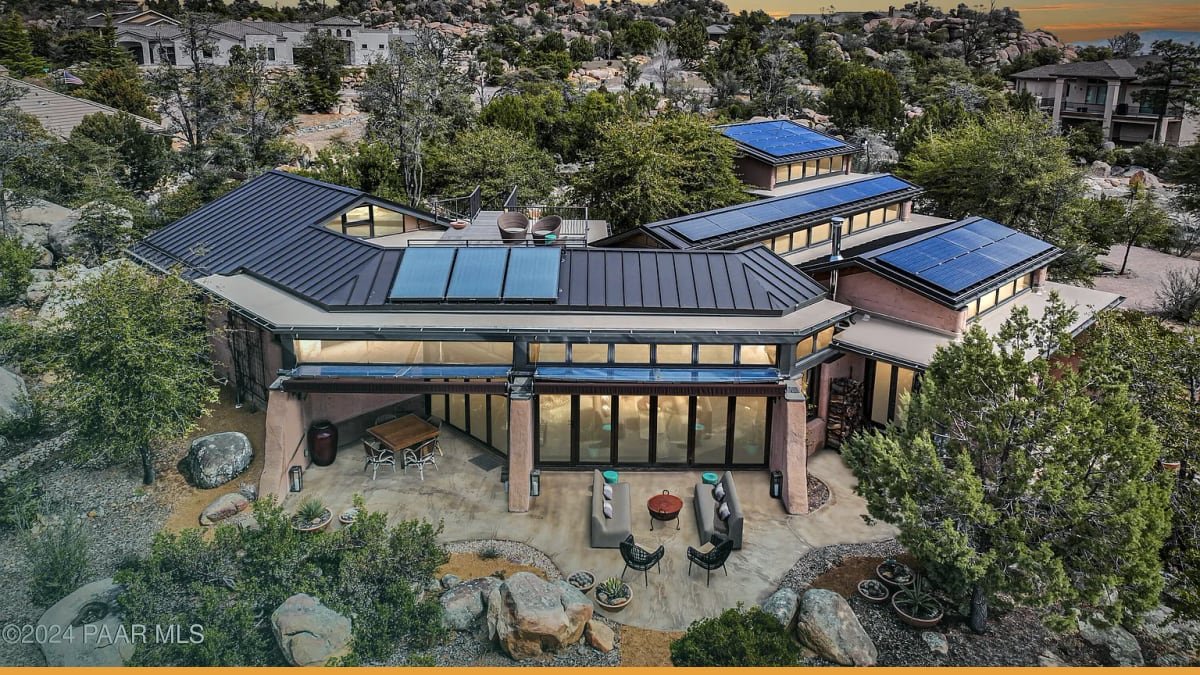
Header image source: Prescott Real Estate Sales | Home Right® via www.homerightrealestate.com via Google — cropped to 16:9 and colour-adjusted.
Key takeaways
- Existing-home sales fell 2% in August 2026, with uneven regional impacts
- Affordability is driving buyers to newly affordable cities
- Sellers face a paradox: list now or risk missing a value surge
Existing-home sales fell 2.0% in August 2026. Not a freefall. Not even a surprise. Just the latest data point in a market that refuses to sit still. The West held steady—no change—while the Northeast and Midwest dipped. That split isn’t random. It’s the story of a housing market that no longer moves in lockstep. One number, one month, doesn’t define the whole, but it reveals something deeper: home isn’t one place anymore. It’s a moving target, dictated by supply constraints, pricing precision, and regional resilience. Buyers chase value. Sellers cling to hope. And anyone waiting for clarity? They’re still waiting.
The National Slowdown: Why 2.0% Matters More Than It Should
A 2.0% drop in existing-home sales isn’t dramatic. It’s not the kind of number that sends shockwaves through the industry. But it’s not noise, either. It’s the continuation of a trend that’s been building for months—one that the National Association of Realtors (NAR) data confirms was uneven. The West stayed flat. The Northeast and Midwest slid. That disparity isn’t an accident. The West has been the outlier for years, propped up by constrained supply, tech money, and buyers who treat real estate like a necessity, not a luxury. Elsewhere? The story is different.
Higher mortgage rates? Economic uncertainty? A shift in buyer psychology? The brief doesn’t pinpoint the cause, but the effect is clear: the market is cooling. Just not uniformly. And that’s what makes this decline interesting. A 2.0% drop is incremental—hardly the stuff of headlines. But incremental changes add up. This isn’t a correction. It’s a recalibration. The question isn’t whether the market is slowing. It’s whether this is the new normal. If it is, buyers and sellers are stuck in limbo. Home isn’t just about location anymore. It’s about timing. And right now, timing is everything.
The Seller’s Paradox: Why Some Markets Stay Hot While Others Fade
Seller’s markets aren’t dead. They’re just hiding. Analysis points to supply constraints as the culprit—places where construction hasn’t kept pace with demand for years. Coastal cities. High-growth metros. Anywhere with zoning laws that make building feel like solving a Rubik’s Cube blindfolded. In these areas, the rules haven’t changed. Inventory is tight. Competition is fierce. Buyers still pay up. The national slowdown? That’s someone else’s problem.
But here’s the paradox: sellers in these markets are hesitating. Not because their homes won’t sell. Because they might sell too soon. Realtor. Advice to list now—before the "spring rush"—reads like a gamble. What if values surge after you sell? What if you’re leaving money on the table? That hesitation keeps inventory artificially low, reinforcing the very conditions that make these markets hot in the first place. It’s a self-fulfilling prophecy. The more sellers wait, the tighter supply gets. The tighter supply gets, the higher prices climb.
So where is home in this scenario? For sellers, it’s a moving target. Always just out of reach. Always one market cycle away from perfection. For buyers, it’s the handful of homes that hit the sweet spot—priced right, staged well, in a location where demand hasn’t evaporated. The rest? They’re stuck in limbo, watching the clock.
Buyer Behavior: What They Want—and Where They’re Finding It
Buyers aren’t just looking for homes anymore. They’re looking for value. The brief doesn’t mince words: "quality homes at the right price" are winning. That’s not a euphemism. It’s a strategy. In a market where affordability is the gatekeeper, buyers vote with their wallets. They skip fixer-uppers. They skip overpriced listings. They skip markets where competition is still cutthroat. Instead, they target turnkey properties in places where the math still works.
The American Home Shield (AHS) list of the "10 best places to buy a home right now" tells the story. These aren’t the usual suspects—Manhattan, San Francisco, Austin. They’re cities where homes are "competitively priced. " Code for: affordable enough to justify the purchase. The brief doesn’t name the cities, but the implication is clear. Home is migrating. It’s not just about where you want to live anymore. It’s about where you can live without stretching your budget to the breaking point.
HUD’s role in this shift is worth noting, though the brief doesn’t dive deep. The agency offers housing counselors to help buyers navigate the process. But how many are actually using them? Are these resources filling a gap left by traditional agents? Or are they just another layer of bureaucracy? The brief doesn’t say. But their existence suggests a market where buyers need all the help they can get.
The Affordability Factor: Why Home Is Moving to New Cities
Affordability isn’t just a buzzword. It’s the new north star for homebuyers. The brief’s emphasis on "competitively priced homes" isn’t accidental. It’s an acknowledgment that the market has changed. Prices aren’t collapsing. They’re not climbing, either. They’re settling into a new equilibrium—one where buyers refuse to pay whatever it takes to get into a home. They’re looking for deals. And if they can’t find them in their dream neighborhood, they’re looking elsewhere.
The AHS list of the 10 best places to buy a home is a roadmap for this shift. These cities aren’t just affordable. They’re places where buyers can still get a foothold without sacrificing their financial future. The brief doesn’t confirm whether buyers are actually migrating to these areas. But the list implies a trend. Home is no longer tied to geography. It’s tied to opportunity.
For sellers, this is a wake-up call. The days of listing a home and watching buyers line up are over—at least in most markets. Now, it’s about pricing right. Staging well. Accepting that the pool of buyers might be smaller than it was a year ago. For buyers, it’s a reminder. Home isn’t just where the heart is. It’s where the math adds up.
The Timing Trap: Why Sellers Are Stuck Between Fear and Opportunity
Sellers are caught in a timing trap. Realtor. Advice to list now—before the "spring rush"—reads like a Hail Mary. The logic? Sell before everyone else does, and you might avoid the glut of inventory that could drive prices down. But the data from August 2026 tells a different story. A 2.0% drop in existing-home sales. Declines in most regions. The spring rush isn’t guaranteed. Even if it comes, there’s no promise it’ll lift all boats.
The fear of regret is real. The brief cites homeowners who worry about selling right before a surge in property values. That’s not irrational. It’s the same psychology that’s kept inventory tight for years. But it’s also a gamble. What if the surge never comes? What if the market keeps cooling? What if sellers who wait find themselves competing with a flood of listings next year?
The inventory bottleneck is the real story here. If sellers stay on the sidelines, supply remains constrained. Prices stay elevated in the markets that matter. But if enough sellers decide to list—whether out of necessity or optimism—suddenly home becomes harder to find for everyone else. The question isn’t just whether sellers should list now. It’s whether they can afford not to.
The New Rules of Engagement: How Buyers and Sellers Are Adapting
The market isn’t broken. It’s just different. The old rules don’t apply anymore. Buyers aren’t just looking for a roof over their heads. They’re looking for a deal. Sellers aren’t just listing their homes. They’re pricing them with surgical precision. Both sides are learning that home isn’t a static concept. It’s a moving target, shaped by supply, demand, and affordability.
The brief’s focus on homes that are priced right and show well is a clue to the new playbook. Presentation matters now more than ever. A well-staged home, priced just below market expectations, sells faster than a fixer-upper with an optimistic list price. That’s not just good advice. It’s survival strategy.
Regional arbitrage is another factor. Buyers are targeting the AHS list of affordable cities. But what are they giving up in the process? Space? Proximity to jobs? Amenities? The brief doesn’t say. But the trade-offs are real. Home isn’t just about where you live. It’s about what you’re willing to sacrifice to get there.
HUD’s housing counselors are part of this new landscape. Their impact is unclear. Are they helping buyers navigate the market? Or are they just another layer of complexity? The brief doesn’t provide answers. But their existence suggests a market where buyers need more guidance than ever.
The Big Picture: Where Does This Market Go Next?
The market isn’t crashing. It’s not recovering, either. It’s splintering—into regional hotspots, affordability-driven migrations, and a seller’s paradox where hesitation keeps inventory tight. The West’s resilience, the Midwest’s decline, and the rise of "competitively priced" cities all point to a future where home is increasingly regionalized.
The affordability ceiling is the real story. If buyers keep prioritizing value, the AHS list of best places to buy could become the default for homeownership. That’s not just a shift in where people live. It’s a shift in what homeownership means. It’s no longer about the biggest house in the best neighborhood. It’s about the best deal in a market that still makes sense.
For sellers, the dilemma is whether to list now or wait for a surge that may never come. If enough sellers hesitate, inventory stays tight. Prices stay elevated in the markets that matter. But if economic pressures force more owners to list—job changes, financial strain, sheer exhaustion—the market could tilt in buyers’ favor.
So where is home right now? Wherever the data says it is—today. Tomorrow? That’s anyone’s guess. The only certainty is that the rules have changed. The old playbook doesn’t work anymore. The question isn’t whether the market will stabilize. It’s whether buyers and sellers can adapt fast enough to keep up. And if they can’t? Then home isn’t just a moving target. It’s a mirage.
Leave a Reply