Tag: package manager

  • **Why Use Homebrew on Linux? The Case for a User-Friendly, Privilege-Free Package Manager**

    **Why Use Homebrew on Linux? The Case for a User-Friendly, Privilege-Free Package Manager**

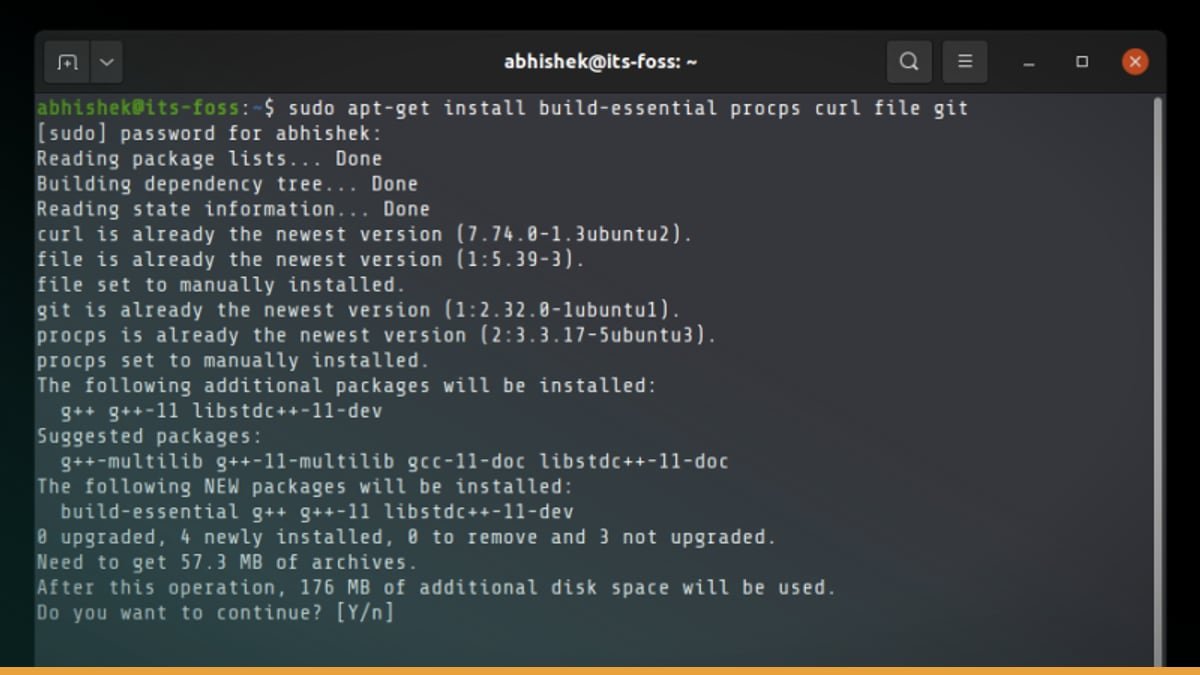
    Header image source: How to Install Homebrew on Ubuntu and Other Linux via It’s FOSS via Google — cropped to 16:9 and colour-adjusted.

    Key takeaways

    • Homebrew installs user-specific tools without sudo or system conflicts
    • Avoids dependency hell by keeping packages isolated in home directory
    • Complements apt/dnf/pacman for newer dev tools and cross-platform consistency

    /home/linuxbrew/.linuxbrew appeared on my system one Tuesday afternoon. No sudo, no system-wide library conflicts, just brew install pulling in the exact version needed without touching system directories. That’s when I realised Homebrew on Linux isn’t just a Mac port—it’s a fundamentally different way to manage software.

    No more waiting for distro repos to update tools. No more dependency hell when distro repos lag behind. No more system package managers pulling in excessive dependencies. Homebrew installs everything in your home directory, coexisting with system package managers without breaking anything. If you’ve ever cursed at a system package manager, this starts to look less like an alternative and more like a necessity.


    How Homebrew Actually Works on Linux

    That one-liner:

    “bash /bin/bash -c "$(curl -fsSL https://raw.githubusercontent.com/Homebrew/install/HEAD/install.sh)" “

    Installs everything into a dedicated directory. Not /usr/local, not /opt. Just a clean directory tree in your home folder. From there, brew install fetches packages and places them in Homebrew’s directory structure.linuxbrew/Cellar/neovim/`. Homebrew uses system libraries when available, otherwise installs its own versions.

    This isn’t how apt or dnf work. Those install software system-wide, requiring root privileges and often pulling in dependencies that conflict with other packages. Homebrew sidesteps this by bundling its own libraries. The trade-off? Disk space. /home/linuxbrew/ can grow large over time. But for most users, that’s a small price to pay for avoiding dependency conflicts.


    From Linuxbrew to First-Class Citizen

    Homebrew’s Linux support didn’t start this polished. Originally called Linuxbrew, it felt like an afterthought. The experience was less polished.

    That’s changed. Today, Homebrew on Linux is no longer a novelty or a compromise. It now has comprehensive support. Homebrew integrated Linux support into the main project. Homebrew may be used on Linux and Windows Subsystem for Linux (WSL) 2.

    This is no longer a novelty. It’s a mature, well-supported option that’s as viable on Linux as it is on macOS.


    Coexistence, Not Replacement

    Homebrew doesn’t replace apt, dnf, or pacman. It complements them. Here’s how:

    • System packages (e.g., nginx, python3, docker) → Use your distro’s package manager.
    • User-specific tools (e.g., neovim, ripgrep, fd) → Use Homebrew.

    This distinction matters because it avoids dependency hell. For example, if your distro’s repos only have ripgrep 12.0 but you need 13.0 for a project, installing it via Homebrew won’t break other tools that depend on the older version. Homebrew’s self-contained model means it installs everything separately, so it doesn’t interfere with system-managed packages.

    This is particularly useful for developers. You can use system package managers for system dependencies, then use Homebrew for newer versions of development tools. It’s a clean separation that keeps your system stable while giving you flexibility for user-level software.


    The Privilege-Free Advantage

    No sudo. That’s one of Homebrew’s biggest strengths on Linux. Here’s why it matters:

    Enhanced security from avoiding system-wide changes. Users can install and update software independently. Useful in restricted environments where elevated privileges are unavailable. Ideal for WSL or containers where elevated privileges may be limited.

    This is a game-changer for developers in restricted environments. If you’re on a restricted machine, Homebrew lets you install tools without needing admin privileges. It’s also useful for WSL, where system-wide installs may be discouraged.


    The Mac-to-Linux Transition

    For Mac users switching to Linux, Homebrew offers a familiar workflow. The commands are identical:

    “bash brew install neovim brew update brew upgrade “

    No relearning package management. No adjusting to apt or dnf. Consistency across platforms. This consistency reduces friction when switching platforms, especially for developers working on cross-platform projects.

    It also lowers the barrier to entry for users intimidated by system package managers. Homebrew’s simple interface (brew install, brew update) is easier to grasp than the nuances of different distro-specific package managers. A Mac user can install tools with familiar commands without learning system package managers.


    Is Homebrew Redundant on Linux?

    A common pushback is that Linux already has package managers. Here’s why Homebrew isn’t redundant:

    • Not a replacement: It fills gaps where system package managers fall short. If distro repos are outdated, Homebrew can provide newer versions.

    Avoids system pollution by keeping software isolated. Better for development tools that may lag in system repos.

    But Homebrew isn’t a silver bullet. There are cases where you shouldn’t use it:

    • System-critical software: Tools like openssh or systemd should be managed by your distro’s package manager.

    On minimalist systems, Homebrew’s disk usage might be prohibitive. You rely on distro-specific patches.g., Debian’s apt repos), Homebrew might not be the best fit.


    Performance and Maintenance

    Homebrew’s performance and maintenance model differs from traditional package managers in key ways:

    • Installation speed: Generally fast because it downloads pre-built bottles rather than compiling from source. This contrasts with source-based package managers.

    Update efficiency differs from system package managers. Disk usage can grow large over time. Unlike system packages, which are globally managed, Homebrew’s disk usage is entirely your responsibility.

    • Maintenance:

    Maintenance features help manage old versions. You need to maintain Homebrew separately from system package managers.


    Who Should (and Shouldn’t) Use Homebrew

    | Use Homebrew If… | Avoid Homebrew If… | |———————-|————————| You want installs without elevated privileges. You manage system-critical software. | You work across different platforms. You’re on a minimalist system. | You need newer versions than system repos provide. You prefer system-wide consistency.g., enterprise Linux). | You work in WSL or containers. You distrust third-party package managers. | You prefer simple, consistent commands. | You rely on distro-specific patches (e.g., Debian’s apt). |


    The Open Question

    Homebrew isn’t going to replace apt or dnf. But its privilege-free, user-level model is compelling for users who value flexibility and simplicity. The question isn’t whether Homebrew will replace traditional package managers—it’s whether it will become a standard part of the Linux toolkit alongside them.

    For now, it’s a niche tool with a growing audience. But as more users switch from macOS to Linux and more developers work in cross-platform environments, Homebrew’s role on Linux is only going to expand. Will distros start bundling it by default? Or will it remain a tool for power users who’ve had enough of system package managers?

  • **Why Use Homebrew? The Case for macOS, Linux, and WSL’s Most Flexible Package Manager**

    **Why Use Homebrew? The Case for macOS, Linux, and WSL’s Most Flexible Package Manager**

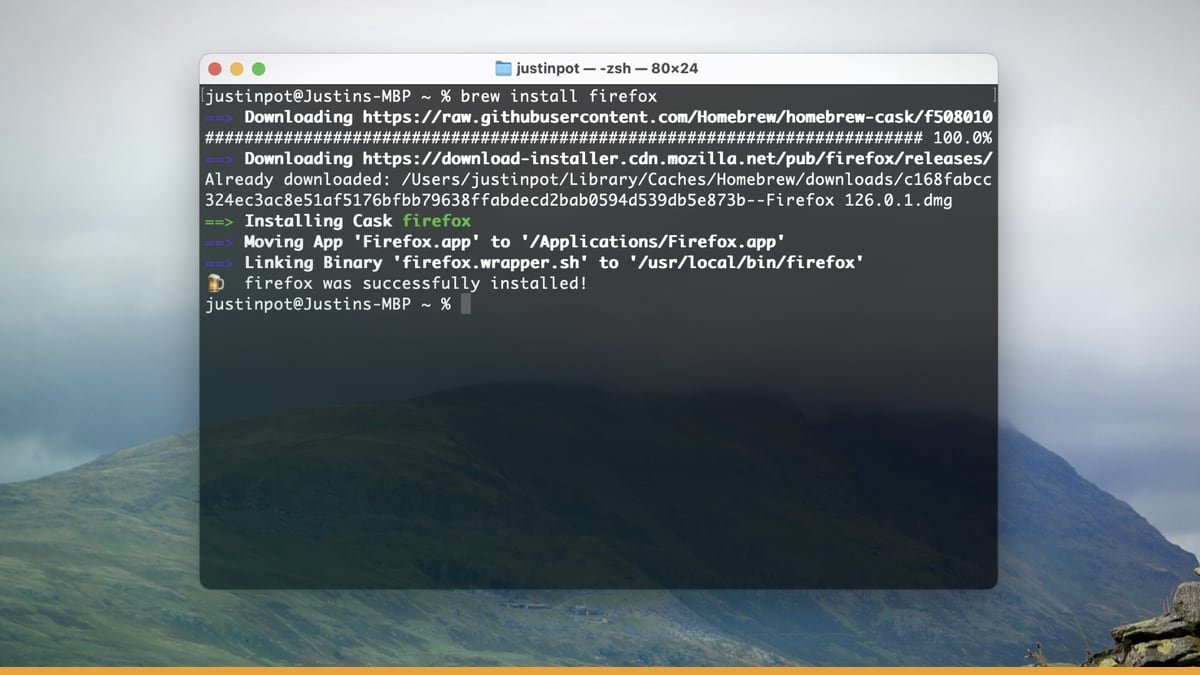
    Header image source: Use ‘Homebrew’ on Mac to Make Installing and Updating Apps Much Easier | Lifehacker via Lifehacker via Google — cropped to 16:9 and colour-adjusted.

    Key takeaways

    • Homebrew simplifies software installs to one command across macOS, Linux, and WSL
    • Handles dependencies automatically and avoids system conflicts with keg-only formulae
    • Automates updates and cleanup while scaling for teams via Workbrew and Brewfiles

    brew install just became the default way to manage open-source tools on macOS, Linux, and WSL. Again. This week, Homebrew’s GitHub repository crossed thousands of formulae in homebrew-core, and the homebrew/cask tap now hosts thousands of GUI applications. Numbers don’t lie—Homebrew isn’t just popular. It’s the default.

    Why? Because installing software on these platforms is still a mess. Apple’s App Store doesn’t focus on command-line tools. Linux package managers vary across distributions. Windows users in WSL can benefit from a consistent workflow. Homebrew fixes this with one command. It minimizes manual downloads. It reduces dependency issues. It eliminates the need to hunt for .dmg files or .deb packages. It installs, updates, and removes software in a single, unified flow—while keeping everything neatly sandboxed away from system files.

    If you’re a developer, sysadmin, or power user, Homebrew isn’t just convenient. It’s the most efficient way to manage open-source tools across platforms. Full stop.


    The One-Command Promise: Why brew install Beats Everything Else

    The core of Homebrew is brew install [package]. That’s it. It typically avoids compiling from source. It eliminates digging through forums for download links. It handles missing libraries automatically. Want ffmpeg? brew install ffmpeg. Need node? brew install node. GUI apps can be installed via cask. Homebrew handles downloads, dependency resolution, and configuration.

    This isn’t just convenience. It’s eliminating friction. Without Homebrew, installing postgresql on macOS involves multiple manual steps.

    With Homebrew: “bash brew install postgresql “ Typically one command. Homebrew fetches and installs software. No GUI required. Minimal manual steps. Reduces guesswork.

    Cross-Platform Consistency: One Workflow Everywhere

    Homebrew works on:

    • macOS: Installs to /usr/local, avoiding conflicts with Apple’s System Integrity Protection (SIP).
    • Linux: Installs to ~/.linuxbrew, requiring no sudo and keeping everything user-level.
    • WSL: Provides a familiar workflow for Windows users who need Linux tools.

    This matters. A Linux user moving to macOS can use familiar commands. A Windows user in WSL can use consistent commands. Consistency isn’t a nice-to-have—it’s a productivity multiplier.


    Dependency Management Without the Nightmares

    Dependency hell isn’t theoretical. It’s real. Ever tried installing a tool manually, only to hit dependency issues? Homebrew handles dependency resolution.

    Installing postgresql pulls in necessary dependencies.

    This happens automatically. Minimizes manual downloads. Reduces version conflicts. Minimizes broken installs.

    Keg-Only Formulae: Avoiding System Conflicts

    Some packages are installed but not linked by default. These are keg-only formulae to avoid conflicts. macOS ships with an older Python, but you might need newer versions. Homebrew installs it to /usr/local/Cellar/python@3.9 but doesn’t symlink it to /usr/local/bin unless you explicitly run: “bash brew link --force python@3.9 “ This keeps system versions intact while providing alternatives.

    Bottles: Pre-Compiled Binaries for Speed

    Compiling software from source takes time. Homebrew accelerates installs with pre-compiled binaries. For example, using a flag to prefer pre-compiled binaries. This skips compilation, significantly speeding up installation. Bottles are built for common versions.


    GitHub-Powered: Why Homebrew’s Ecosystem Outpaces the Rest

    Homebrew’s package ecosystem is hosted on GitHub. This isn’t a minor detail. It helps Homebrew scale effectively.

    Formulae: The Building Blocks of Homebrew

    Every package in Homebrew is defined by a formula. The homebrew-core repository hosts thousands of formulae covering many tools.

    Here’s a snippet from the ffmpeg formula: “ruby class Ffmpeg < Formula url "https://ffmpeg.org/releases/ffmpeg-5.1.2.tar.xz" sha256 "51322be3ba600e512df708643358b1a2f660485bbc3ab6c64578064a0c8656b5" license "GPL-2.0-or-later" depends_on "nasm" =>:build depends_on "x264" depends_on "x265" #... more dependencies end “ This script ensures Homebrew knows:

    • Where to download ffmpeg.
    • What dependencies (nasm, x264, x265) are required.
    • How to verify the download’s integrity with a SHA-256 hash.

    Community Contributions: The Engine of Growth

    Homebrew enables contributions through GitHub. If a tool isn’t in Homebrew, you can:

    1. Fork the homebrew-core repository.
    2. Write a formula for the tool.
    3. Submit a pull request.

    This has led to expansion of Homebrew’s package catalog. Tools like modern alternatives to basic commands were added by community members. The result? Homebrew stays ahead of the curve.

    Taps: Extending Homebrew Beyond Core

    Homebrew’s core repository is just the start. Taps add more packages. Some notable taps include those for GUI applications, services, and bundle management.

    For example, to install GUI applications via cask. Taps make Homebrew highly extensible. Users can maintain their own package repositories.


    Updates and Maintenance: The Silent Productivity Boost

    Software rot is real. Tools fall out of date. Security vulnerabilities emerge. Manual updates become a chore. Homebrew automates this with a handful of commands:

    • brew update: Fetches the latest formulae from GitHub.
    • brew upgrade: Updates all installed packages to their latest versions.
    • brew outdated: Lists packages with available updates.
    • brew cleanup: Removes old versions and cached downloads.

    For example, running brew outdated shows which packages have updates available. The brew upgrade command updates packages. No need to visit websites. No manual downloads required. Minimizes broken dependencies.

    Cleaning Up After Yourself

    Homebrew caches downloads and keeps old versions, which can consume significant disk space over time. The brew cleanup command reclaims space. This removes old versions, cached downloads, and unnecessary files.

    For example, after upgrading packages, brew cleanup frees up space by removing old versions. Over time, this adds up—especially on laptops with limited storage.


    Scaling Homebrew for Teams and Organizations

    Homebrew isn’t just for individual developers. It scales to teams, organizations, and enterprises with additional tools.

    Workbrew: Homebrew for Teams

    Commercial extensions exist for team-wide package management. It provides centralized control, audit capabilities, and compliance features.

    For example, a company can define required tools and distribute them for consistent installation.

    This ensures consistency across development environments.

    Private Taps: Internal Package Management

    Companies can host private taps for proprietary tools. For example, a company might maintain a private tap with internal tools and custom software.

    Employees add the tap and install tools from it. This keeps internal tools manageable across the organization.

    Bulk Management with Brewfile

    The brew bundle command installs multiple packages from a configuration file. For example, a Brewfile can list packages to install. Running brew bundle installs listed packages. This is useful for setting up machines, onboarding, and ensuring consistency.


    macOS-Specific Superpowers: Filling Apple’s Gaps

    macOS ships with older versions of tools. Homebrew provides newer versions of tools and additional software.

    Tools Apple Forgot

    macOS ships with older versions of common tools like bash, python, and git.

    Homebrew installs modern versions of tools. This ensures you have current software.

    Avoiding System Integrity Protection (SIP)

    Apple’s SIP restricts system file modifications. Homebrew avoids SIP restrictions by installing to user-writable locations. This means easier installation, fewer conflicts, and safer upgrades.

    Reinstalling After a macOS Reset

    Resetting a Mac or setting up a new one can be simplified with Homebrew. With brew bundle, you can save your setup and restore it after a reset. This reinstalls your tools in one go. No manual downloads needed. Fewer forgotten apps.


    Linux and WSL: Homebrew as the Cross-Platform Equalizer

    Homebrew isn’t just for macOS. On Linux and WSL, it provides a consistent package manager.

    Linux: No sudo, No Conflicts

    On Linux, Homebrew installs to user directories, avoiding system conflicts. This is ideal for:

    • Developers who switch between macOS and Linux: Same brew commands on both.
    • Users who don’t have sudo access: Install tools without admin privileges.
    • Avoiding distribution-specific quirks: apt vs. yum vs. dnf becomes irrelevant.

    For example, installing tools on Linux with Homebrew. No need for distribution-specific commands. No need for external repositories. Just one command typically.

    WSL: A Familiar Workflow for Windows Users

    Windows users running WSL may find Linux package managers unfamiliar. Homebrew provides a familiar workflow with consistent commands across platforms.

    For example, a Windows user in WSL can use Homebrew commands.


    The Trade-offs: When Homebrew Isn’t the Answer

    Homebrew isn’t perfect. There are scenarios where it’s not the right tool.

    Not for System-Wide Services

    Homebrew installs to user directories, making it unsuitable for system-wide services and low-level tools.

    For these, use system package managers or containers.

    Disk Space: Bottles Add Up

    Homebrew’s cached downloads can consume significant disk space. For example, package bottles can be large.

    This adds up over time, especially on laptops with limited storage. Regular cleanup helps manage space, but there’s a convenience trade-off.

    Learning Curve: Advanced Use Requires CLI Skills

    Homebrew is easy for basic use but requires CLI knowledge for advanced scenarios.

    Users who prefer GUIs might find other tools more approachable.

    Alternatives: When to Look Elsewhere

    Homebrew isn’t the only option. Alternatives include MacPorts, Nix, and OS-native package managers with different characteristics.


    Is Homebrew Worth It?

    Homebrew’s value comes down to one question: How much time do you spend managing software? If the answer is "too much," Homebrew is worth it. It reduces manual work while providing a cross-platform package ecosystem.

    For individual developers, Homebrew is a no-brainer. It’s open-source and reduces frustration. For teams and organizations, additional tools make it scalable.

    The only real downside? Disk space. But with cleanup, disk space can be managed.

    So, why use Homebrew? Because software management shouldn’t be a chore. Homebrew simplifies it to basic commands. And in a world where time is the scarcest resource, that’s not just convenient. It’s essential.

    The real question isn’t whether you can afford to use Homebrew. It’s whether you can afford not to.