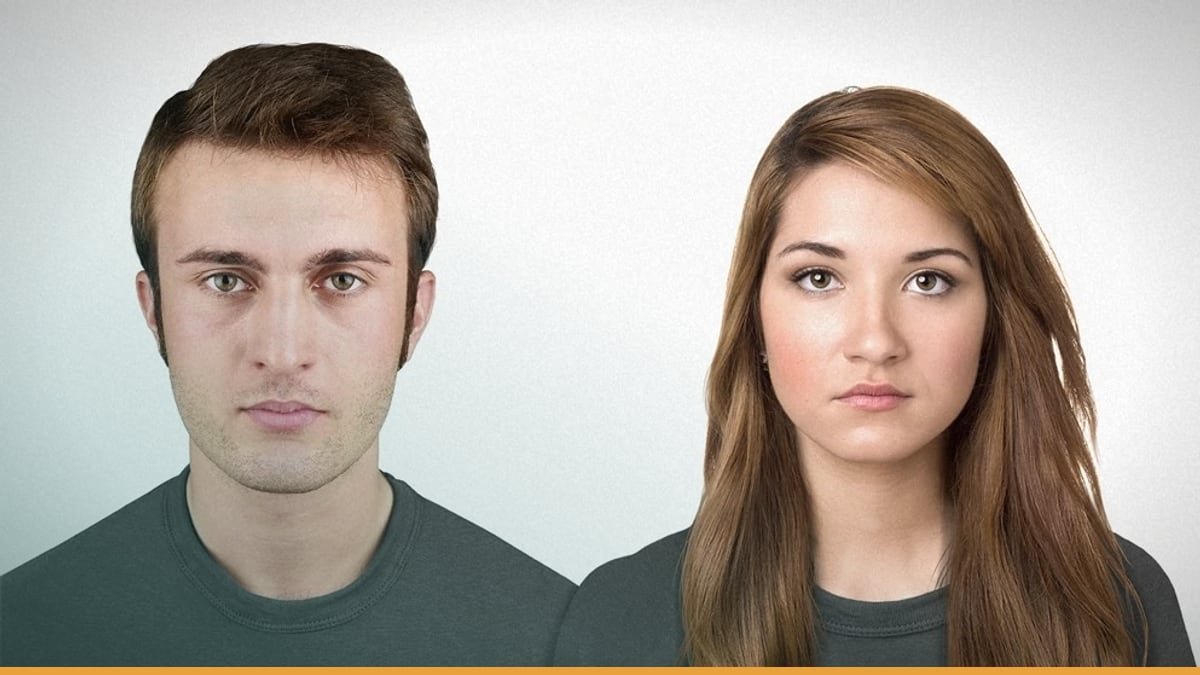
Header image source: Human (Species) | The United Organization Toons Heroes Wiki | Fandom) via The United Organization Toons Heroes Wiki The United Organization Toons Heroes Wiki – Fandom via Google — cropped to 16:9 and colour-adjusted.
Key takeaways
- Human physiology regulates more efficiently in social proximity
- 2024 Science Advances study challenges individual-centric homeostasis model
- Social connection may reduce biological stress and improve resilience
A 2024 Science Advances paper just rewrote the rules of human biology. Titled "Physiological homeostasis is more efficient in social proximity," the study drops a bombshell: our bodies regulate physiological processes better when we’re physically close to others. It’s a direct assault on the individual-centric model of homeostasis that’s reigned for over a century.
The Homeostasis Paradigm: How We Got It Wrong
For generations, we’ve treated homeostasis as a solo act. Your hypothalamus detects cold—shivering kicks in. Blood sugar spikes—insulin follows. The mechanisms are textbook-perfect: sweating, shivering, insulin-glucose dances. Even educational materials frame it as an individual performance—adjust clothing, drink water, seek shade. Traditional understanding sums it up neatly: "numerous physiological processes working in harmony within an individual body. "
The assumption? Homeostasis is a solo gig.
But what if it’s not?
The Study That Blew It Open
The 2024 Science Advances paper doesn’t just tweak the old model—it flips it. The authors introduce Social Physiology as a cross-domain principle, showing that homeostasis works better when people are in social proximity. Not just "works. " Works more efficiently.
"Social proximity" here refers to being near others. The study doesn’t specify exact distances, but the implication is clear: proximity matters at a biological level. The study measured physiological regulation in individuals alone versus in groups.
This isn’t incremental. It’s a direct challenge to the idea that homeostasis is purely internal. If social proximity makes regulation more efficient, then isolation isn’t just psychologically harmful—it’s biologically destabilizing.
The Efficiency Gap: Why Social Proximity Works
The study’s core claim? Social proximity improves efficiency. Efficiency here means achieving stability with less effort.
You can achieve homeostasis alone, but it might take more effort. Social proximity, the study suggests, makes the process more efficient.
The Isolation Penalty: What Happens When You’re Alone
If social proximity boosts efficiency, isolation does the opposite.
The implications are stark.
Social Physiology in Action: Biology and Behavior
The idea isn’t new—just overlooked in humans.
Rewriting the Rules: Medicine and Public Health
If social proximity is a biological necessity, entire fields need to rethink their assumptions. The implications are vast:
Clinical Implications
Public Health
Open Questions
The Dark Side: When Social Proximity Fails
Ethical dilemmas loom.
The Future of Social Physiology: What’s Next?
The Science Advances paper opens more questions than it answers. Here’s what’s on the horizon:
Unanswered Questions
- Technology: Can wearables or AI detect homeostatic inefficiency in real time and recommend social interventions? A smartwatch prompting you to call a friend when cortisol spikes?
Potential Research Directions
- Longitudinal studies: Tracking physiological markers in isolated vs. socially integrated individuals over years. Would the former show accelerated aging or higher disease rates?
- Cross-cultural comparisons: Do societies with stronger communal bonds show lower rates of homeostatic disorders—diabetes, hypertension?
- Interventions: Testing whether "social prescriptions"—group exercise, volunteering—improve biomarkers of homeostatic efficiency.
Philosophical Shift
If social proximity is a biological necessity, our understanding of human nature needs an update. Autonomy and community aren’t just ethical concerns—they’re biological imperatives. This could reshape everything from urban planning to healthcare, forcing us to ask: What does it mean to be human in a socially connected world?
What This Means for You
The Science Advances study isn’t just academic—it has real-world implications.
For Individuals
- Prioritizing in-person social contact might have measurable physiological benefits. Better sleep, lower stress, more efficient metabolism.
- Small, frequent interactions—coffee with a friend—might be as important as deep relationships for homeostasis. The study doesn’t quantify this, but the implication is clear: proximity matters.
For Policymakers
- Designing cities, workplaces, and healthcare systems to maximize social proximity could become a public health priority. Walkable neighborhoods, communal spaces, shared work environments might support biological efficiency.
- Addressing isolation as a public health crisis—with biological consequences—could justify policy interventions. Think of it like fluoridating water: a population-level strategy to improve physiological resilience.
For Skeptics
- The study doesn’t claim social contact is a panacea. It’s not saying proximity cures disease or replaces medication. It’s saying social connection is a baseline efficiency booster—like oil in a car engine, reducing wear and tear.
More research is needed to isolate social proximity’s direct effects from confounders—shared environments, activity levels. But the evidence is compelling enough to take seriously.
The Big Question
If social proximity is as vital to homeostasis as food or sleep, then what does that mean for how we structure our lives? We’ve spent centuries optimizing individual health—diet, exercise, medicine—but what if the most powerful lever for physiological efficiency isn’t inside us, but between us? The Science Advances study doesn’t answer this. But it forces us to ask it. And that might be the most important implication of all.